0%

Choosing the right Emergency Vehicle Preemption Systems can reduce dangerous delays at signalized intersections. Yet the best solution is rarely the most expensive one.

Emergency response teams, traffic engineers, and transport managers should assess real street conditions before selecting equipment. A system must communicate reliably with traffic signals, detect authorized vehicles accurately, and operate during rain, darkness, and heavy congestion. Small details matter. A delayed green phase can affect an ambulance approaching a crowded junction.

Begin with the local response pattern. Measure intersection spacing, average travel speeds, signal cabinet compatibility, and emergency vehicle routes. Review whether the system supports GPS, optical, acoustic, or hybrid activation. Each method has limits. Optical detection may face line-of-sight problems. GPS performance can weaken near dense buildings. Acoustic systems may require careful calibration in noisy areas.

Safety controls deserve equal attention. Look for authentication features, event logging, fail-safe behavior, and clear maintenance procedures. Unauthorized activation must be prevented. Testing should include ordinary traffic, multiple emergency units, and communication failures. Real-world trials reveal weaknesses that brochures often hide.

Reliable decisions also involve people. Speak with dispatchers, drivers, signal technicians, and accessibility specialists. Their experience can expose practical problems early. A technically impressive system may still frustrate operators.

No single platform fits every city. That is an important limitation. Compare independent performance data, supplier support, lifecycle costs, and upgrade options. Then document why the selected system matches local needs. Review that decision regularly, because traffic patterns and technology change. Safety comes before convenience.
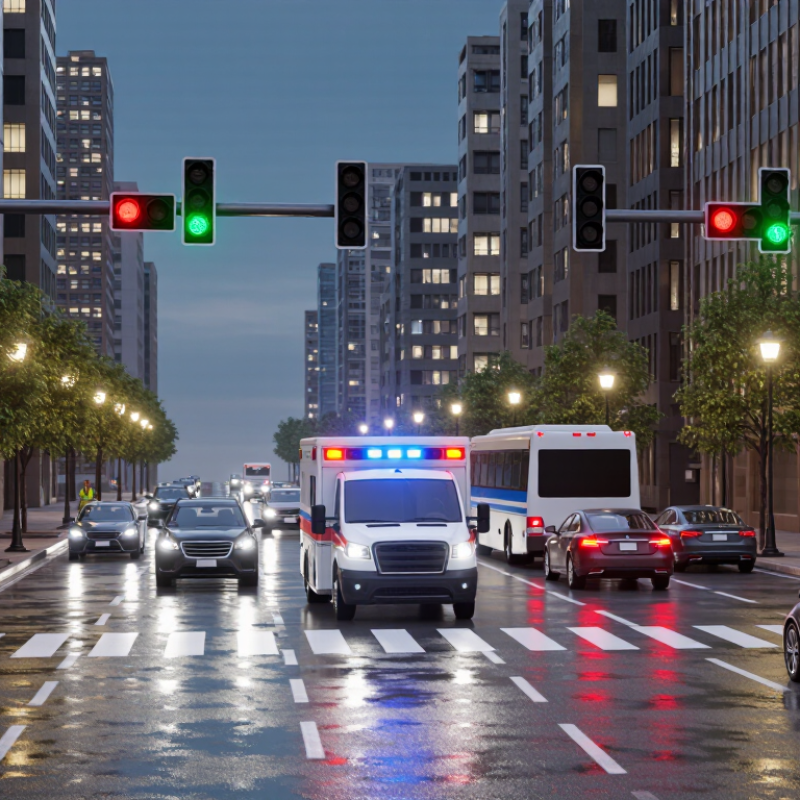
How to Choose the Best Emergency Vehicle Preemption Systems

Define the Role of Emergency Vehicle Preemption Systems

Emergency vehicle preemption systems are traffic-safety tools, not simple green-light devices. Their role is to identify an authorized response vehicle and request a safer path through signalized intersections. The system may adjust signal phases, hold conflicting traffic, and create a short corridor for movement. Timing matters. A delay of several seconds can affect a crowded junction.

A reliable system combines vehicle detection, secure authentication, signal-controller communication, and clear status feedback. Traffic engineers should examine detection distance, response time, weather performance, and compatibility with existing infrastructure. Emergency dispatchers and signal operators also need practical controls. During testing, technicians should watch real intersections, not only computer screens. A roadside camera may reveal blocked lanes or confusing signal changes that a software report misses.

No system is flawless. False requests, weak coverage, and maintenance gaps can reduce trust. That deserves honest attention. Agencies should define who can activate the system, how events are logged, and how normal timing returns afterward. Regular drills with emergency crews can expose overlooked problems, such as a fire vehicle waiting behind buses or pedestrians crossing late. Clear manuals, staff training, and measurable service records support responsible operation. The best choice is the system that fits local roads, traffic patterns, emergency procedures, and available technical expertise.

Compare Detection Technologies and Signal Control Methods

How to Choose the Best Emergency Vehicle Preemption Systems

The right system begins with detection accuracy, not attractive software screens. Optical detection can identify warning lights from a distance, but rain, glare, and blocked views may reduce reliability. Acoustic detection responds to siren patterns and works around corners, yet traffic noise can create false alerts. Radio or GPS-based detection provides location data and predictable coverage. However, it depends on vehicle equipment and secure communication.

Signal control methods also deserve careful comparison. Full preemption can interrupt normal phases and provide a green route quickly. Signal priority is less disruptive because it extends green time or shortens a red phase. In dense intersections, priority may protect traffic flow better. Still, it may not clear every approach fast enough. A practical evaluation should measure detection time, stopping distance, clearance intervals, and recovery after passage. Field testing matters. Simulation alone can miss awkward sightlines and driver behavior.

Tips: Match detection technology to road geometry, weather, and emergency fleet equipment. Require encrypted communication, health monitoring, manual override, and event logs. Test false activations beside busy roads. Review pedestrian and cross-traffic protection during every phase change. No system is perfect. I would allow conservative fallback timing, even when it slightly slows response. That small compromise can prevent a dangerous signal change. Test during night, rain, and heavy traffic, not only on clear afternoons.

Evaluate Compatibility, Coverage, Reliability, and Response Speed

How to Choose the Best Emergency Vehicle Preemption Systems

Compatibility comes before speed. The system should connect with existing traffic controllers, detection equipment, dispatch software, and signal cabinets. FHWA’s Traffic Signal Timing Manual identifies controller integration and detection accuracy as major factors in effective preemption. Check protocol support, cabinet space, power requirements, and maintenance access. A system that needs extensive replacement may create new failure points. That is easy to overlook.

Coverage must match real response routes, not just city boundaries. Review signal density, blind approaches, tunnels, bridges, and neighboring jurisdictions. NHTSA recorded 42,514 U.S. traffic deaths in 2022, reinforcing the need for controlled, predictable emergency movement. Reliability deserves equal attention. Require uptime records, battery performance data, fallback operation, and event logs. Wireless links can be fast, but interference and weak backhaul remain practical concerns. FHWA guidance also stresses coordinated timing and safe clearance intervals. Faster is not always safer.

Tips: Test the system during rain, heavy traffic, and partial network loss. Measure detection-to-green time at each intersection. Compare dispatch records with signal logs. Ask for independent test results, not only vendor claims. Pilot one corridor first. Then expand carefully. I would also review false activations monthly; even a small error rate can disrupt ordinary traffic and reduce public confidence. No system performs perfectly. That assumption needs challenging.

How to Choose the Best Emergency Vehicle Preemption System

Comparison of key evaluation dimensions: compatibility, coverage, reliability, and response speed

The normalized scores below reflect common engineering considerations for emergency vehicle preemption deployments. Higher scores indicate broader interoperability, wider operational reach, stronger performance under normal conditions, and faster activation. Actual results depend on road geometry, signal-controller compatibility, communications infrastructure, weather, and local operating requirements.

Review Installation, Maintenance, Safety, and Legal Requirements

Choosing the best emergency vehicle preemption system should begin with installation conditions, not advertised range. Review each intersection’s sight lines, lane geometry, signal cabinet, power supply, and nearby radio interference. A practical site survey should also identify trees, buildings, and seasonal obstructions. Small details matter.

Installation should be completed by qualified traffic-signal technicians under approval from the local road authority. They must verify compatibility with existing controllers and document every configuration change. Authorized testing should confirm that priority requests operate only when properly received. It should also confirm that normal signal timing returns safely after a request ends. Do not skip pedestrian phases or conflicting traffic checks. That shortcut can create serious risk.

Maintenance plans need clear inspection intervals. Check antennas, detectors, cables, backup batteries, warning signs, and enclosure seals. Review event logs for repeated faults or unexpected activations. Firmware updates should follow controlled procedures, with backups and rollback options. Cybersecurity controls deserve attention, especially when systems connect to networks. I have seen documentation receive less attention than hardware, although it often determines how safely a system is managed.

Legal review should cover traffic-signal standards, radio-frequency permissions, accessibility duties, procurement rules, and emergency-service authorization. If the system stores vehicle identifiers or operational logs, confirm privacy and retention requirements. Keep training records, inspection reports, test results, and corrective actions available for audits. Requirements vary by jurisdiction, so written confirmation from the responsible authority is essential. Even experienced teams can overlook one local rule.

Calculate Total Costs and Select the Best-Fit System

Choosing an emergency vehicle preemption system requires more than comparing purchase prices. The real cost includes roadside equipment, vehicle units, software, installation, training, maintenance, and future upgrades. Ask an experienced traffic engineer to map each intersection, approach speed, sightline, cabinet condition, and communication path. A low-cost unit may perform poorly where trees block signals or heavy radio traffic causes delays. Measure the problem first. Field observations matter.

Build a five-year cost model for each candidate. Include hardware replacement, annual inspections, communication fees, cybersecurity updates, and technician travel. Request written estimates for labor and integration with existing traffic controllers. Also calculate disruption costs, such as lane closures during installation and night work. These details are easy to miss. They still affect budgets.

Select the best-fit system by comparing verified performance with operational needs. Review detection range, response time, fail-safe behavior, logging, accessibility, and compatibility with dispatch procedures. Ask for test data from similar intersections, not only laboratory claims. A pilot at two difficult corridors can reveal false activations, dead zones, or confusing alerts. Document every result and involve emergency response and traffic staff. My own planning mistake was underestimating training time; operators needed repeated drills before trusting the interface. Leave a contingency allowance, because old cabinets and hidden wiring often add cost.

FAQS

What should be evaluated before choosing an emergency vehicle preemption system?

Evaluate detection accuracy first. Attractive software screens cannot compensate for missed signals or unsafe timing.

How does optical detection perform in real conditions?

It can recognize warning lights from far away. Rain, glare, trees, and blocked views may reduce reliability.

When is acoustic detection useful?

Acoustic detection can respond around corners by recognizing siren patterns. Heavy traffic noise may create false alerts.

What are the advantages of radio or GPS-based detection?

These methods provide location data and predictable coverage. They require suitable vehicle equipment and secure communication.

What is the difference between full preemption and signal priority?

Full preemption can quickly create a green route by interrupting normal phases. Signal priority is gentler, extending green or shortening red time.

How can system compatibility be checked?

Confirm connections with traffic controllers, signal cabinets, detection equipment, and dispatch software. Check protocols, power, cabinet space, and maintenance access.

What areas should coverage testing include?

Test real response routes, not only city boundaries. Include tunnels, bridges, blind approaches, dense intersections, and nearby jurisdictions.

Which performance measures matter most?

Measure detection-to-green time, stopping distance, clearance intervals, recovery time, false activations, and uptime.

How should safety be tested?

Test at night, during rain, and beside heavy traffic. Review pedestrian protection, cross-traffic protection, and fallback timing.

Is simulation enough for final approval?

No. Field testing can reveal awkward sightlines, blocked views, driver behavior, and weak communication links. Simulation may miss them.

What safeguards should the system include?

Require encrypted communication, health monitoring, manual override, event logs, and conservative fallback timing. Faster is not always safer.

Should every intersection receive the system immediately?

A corridor pilot is wiser. Compare dispatch records with signal logs, review false activations monthly, then expand carefully. Mistakes happen.

Conclusion

Choosing the right Emergency Vehicle Preemption Systems begins with understanding their primary role: helping authorized emergency vehicles receive safer and faster passage through signalized intersections. A thorough evaluation should compare available detection technologies, such as vehicle-based, GPS, and infrastructure-supported solutions, along with the signal control methods they use. Important factors include detection accuracy, operating coverage, response speed, compatibility with existing traffic equipment, and system reliability in different weather and traffic conditions.

Organizations should also review installation requirements, maintenance demands, cybersecurity, public safety protections, and all applicable transportation regulations. Total cost should include equipment, software, installation, training, upgrades, monitoring, and long-term support rather than focusing only on the initial purchase price. By balancing operational needs, infrastructure constraints, performance expectations, safety responsibilities, and budget limitations, decision-makers can select a dependable system that improves emergency response while minimizing disruption to normal traffic.

Seraphina

Seraphina

Seraphina is a dedicated marketing professional and an experienced contributor to our company’s knowledge platform. With a strong understanding of our products, customer needs, and industry trends, she creates clear, practical, and insightful blog content that helps readers make informed decisions.......