ISO 9001 certified since 2003 Quebec · Ontario · British Columbia 1-800-363-7481

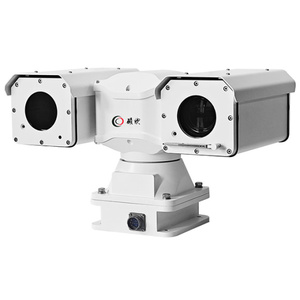
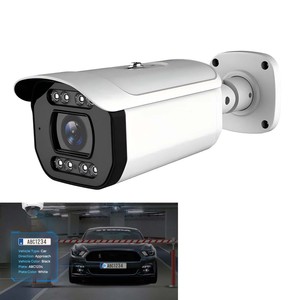
Explore our flagship series of License Plate Recognition hardware, integrating optical zoom, thermal tracking, edge AI algorithms, and hardened IP67 weatherproofing for high-speed highway and parking access applications.
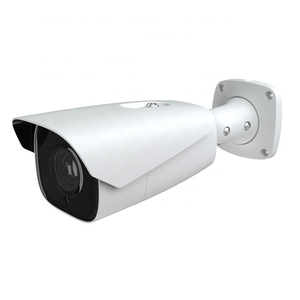
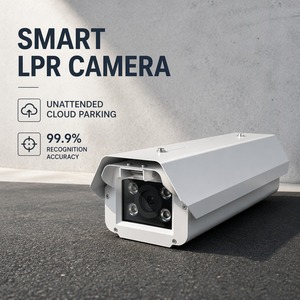
Combining five decades of field-proven traffic engineering heritage with cutting-edge Chinese electronics manufacturing to deliver robust, high-performance LPR hardware worldwide.
Our state-of-the-art manufacturing facility operates under rigid ISO 9001 quality management guidelines certified since 2003. Every LPR camera unit undergoes 100% darkroom optical calibration, high-temperature burn-in testing, and weatherproofing pressure checks before dispatch.
Built for seamless integration into existing central traffic management software (ATMS) and Parking Access and Revenue Control Systems (PARCS). Fully compliant with NTCIP 1202/1203 protocols, ONVIF Profile S/G/T, MQTT, and open RESTful APIs.
Engineered to withstand brutal climate conditions ranging from -40°C arctic freezing conditions to +75°C desert heat. Equipped with industrial surge protection, heavy-duty anti-corrosion aluminum housings, and internal thermostatic defogging heaters.
Modern License Plate Recognition (LPR) and Automatic Number Plate Recognition (ANPR) camera systems represent the critical optical sensor edge of modern Intelligent Transportation Systems (ITS) and Smart City mobility networks. Achieving consistently high recognition accuracy (>99.5%) across diverse global environments requires solving substantial optical, algorithmic, and computational challenges.
Traditional LPR architectures relied on offloading raw video streams over bandwidth-constrained networks to central server farms for optical character recognition (OCR). Modern high-gain Chinese LPR camera systems utilize localized, high-efficiency Neural Processing Units (NPUs) directly integrated onto the camera System-on-Chip (SoC).
By executing lightweight Convolutional Neural Networks (CNNs) and Transformer-based vision algorithms natively on the hardware edge, our camera systems perform character segmentation, license plate detection, vehicle color classification, and brand categorization in under 35 milliseconds. Edge processing reduces backhaul network bandwidth consumption by up to 95%, transmitting only verified JSON metadata, cropped vehicle snapshots, and structured license text to the central database.
Nighttime vehicle capture presents extreme dynamic range challenges. Direct high-beam headlights emit upwards of 100,000 lux, blinding standard image sensors and causing blown-out pixels surrounding the retro-reflective plate area. Our cameras incorporate advanced multi-exposure Wide Dynamic Range (WDR up to 140dB) combined with synchronized pulsed Infrared (IR) starlight illuminators.
Global procurement teams require versatile hardware capable of decoding non-standard plate geometries. Our deep learning OCR models are trained on over 100 million international license plate image samples covering over 120 national standards including:
As smart cities transform into fully connected IoT ecosystems, procurement directors and ITS consultants must select hardware architectures that avoid premature obsolescence. Key procurement trends shaping the industry include:
Single-spectrum optical cameras face physical limitations during zero-visibility environmental conditions such as dense fog, heavy blizzards, or smoke. Procurement specifications are rapidly shifting toward dual-spectrum PTZ systems combining thermal sensors with 4K optical sensors. Thermal imagery tracks vehicle heat signatures and kinetic movement, while optical sensors read plate detail, providing fail-safe vehicle classification 24/7.
Legacy proprietary SDKs are being phased out in favor of standardized, lightweight event-driven protocols. Future-ready LPR cameras natively support MQTT, WebSockets, and RESTful JSON APIs. This enables direct publishing of vehicle entry events directly into municipal cloud platforms, AWS/Azure IoT hubs, or third-party mobile payment apps without intermediary middleware.
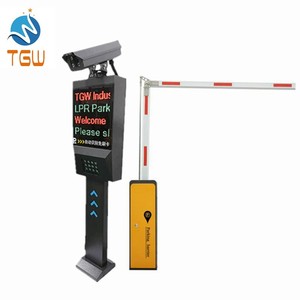
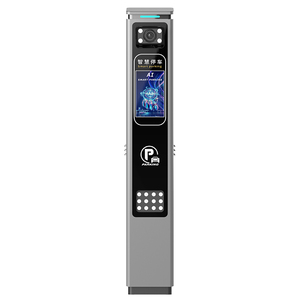
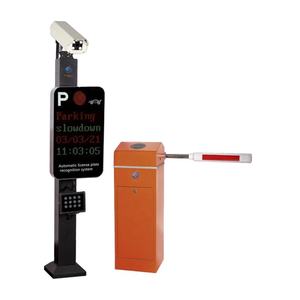
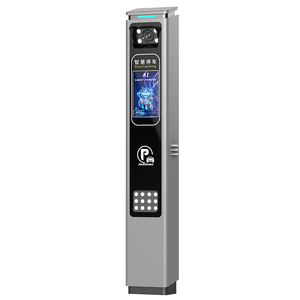
Modern commercial real estate, logistics hubs, and high-security facility developers no longer rely on single-technology entry barriers. Integrated access control towers combining fast-lift barrier gates, edge LPR cameras, long-range RFID tag readers, and driver facial verification provide multi-layered security while maintaining flow rates under 2 seconds per vehicle.
Deploying wired power infrastructure along remote highway corridors or rural check-points accounts for up to 60% of total project installation costs. Next-generation LPR camera units feature ultra-low-power standby modes (<3W average draw), enabling full continuous deployment powered by compact solar panels and lithium iron phosphate (LiFePO4) battery banks.
The global market for License Plate Recognition systems is undergoing a rapid evolution, driven by urbanization, automated toll collection (ETC), and AI-assisted traffic law enforcement. Understanding these evolutionary vectors ensures maximum ROI on capital equipment investments:
Early ANPR relied on manual optical character segmentation, failing under low contrast or dirty plate conditions. Modern Vision-Transformers analyze image context holistically, accurately predicting missing characters even when partially obscured.
LPR hardware is morphing from passive monitoring devices into active Roadside Units (RSUs) in Vehicle-to-Everything (V2X) communication networks, transmitting safety alerts to autonomous vehicles in real-time.
Traditional single-lane stop-and-go toll plazas are being replaced worldwide by open-road gantry systems. High-speed multi-tracking LPR cameras identify multiple plates simultaneously at speeds exceeding 200 km/h.
Detailed technical answers to common integration, installation, and compliance questions asked by consultants and engineering contractors.
Optimum performance is achieved when installing cameras at a vertical angle of less than 30 degrees and a horizontal angle of less than 25 degrees relative to vehicle trajectory. Featuring motorized varifocal lenses (ranging from 2.8-12mm up to 6-50mm), our cameras accommodate capture distances from 3 meters for barrier gates up to 50 meters for highway corridors.
Our camera housings are die-cast from marine-grade aluminum alloy and rated to IP67 / IK10 standards. They include built-in internal thermostatic heating and cooling fans, dynamic optical glass defoggers, and weather-sealed cable glands to guarantee continuous operation from -40°C to +75°C.
Yes. Our cameras feature onboard micro-SD storage slots (up to 512GB) and internal white-list / black-list database storage (supporting up to 100,000 local records). The camera can autonomously execute plate matching and trigger relay outputs to open barrier gates even during complete network or server outages.
We prioritize open-platform engineering. All LPR camera units support ONVIF (Profile S/G/T), HTTP/HTTPS Post, RESTful APIs, MQTT 3.1.1, RTSP video streaming, TCP/IP, UDP, Wiegand 26/34 output, and RS-485 serial communication for direct barrier control panel connectivity.
As a primary manufacturing factory, we offer extensive OEM/ODM customization. This includes custom hardware housing branding, specialized optical lens configurations, localized deep-learning OCR algorithm retraining for niche plate types, custom software GUI branding, and tailored SDK development.
Our high-speed ANPR camera series utilizes global electronic shutters operating at up to 1/10,000 second exposure rates combined with high frame rate CMOS sensors (60fps). This eliminates motion blur completely, maintaining verified recognition accuracy exceeding 99.5% at speeds up to 200 km/h.
Looking for reliable, factory-direct OEM pricing, specialized engineering submittals, or custom firmware development for your next smart mobility tender? Speak directly with our technical team today.
Get a Quote