ISO 9001 certified since 2003 Quebec · Ontario · British Columbia 1-800-363-7481

Delivering engineering excellence and robust transportation equipment across extreme global climates.
Rigorous quality control system certified continuously since 2003 with full component batch traceability.
Industrial-grade optoelectronic modules engineered for minimal decay and 24/7 continuous operation.
Native integration with NEMA TS-2, ATC, and open smart city Central Traffic Management Systems.
Explore high-reliability pedestrian traffic signals, dynamic vehicle sensors, and precision deep-drawn hardware engineered for global ITS deployment.
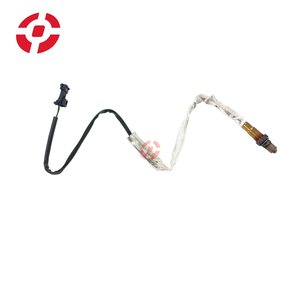
OE-grade automotive and smart city roadside environmental emission sensor. Delivers ultra-fast response for urban intersection air quality monitoring.

Custom deep-drawn metal stampings engineered for harsh outdoor environments. Corrosion-resistant alloy for long service life in extreme weather.
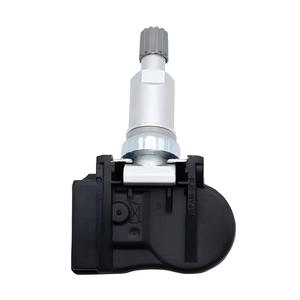
Industrial wireless monitoring node for signal control cabinets. Tracks internal pressure, humidity, and atmospheric changes to prevent seal breakdown.
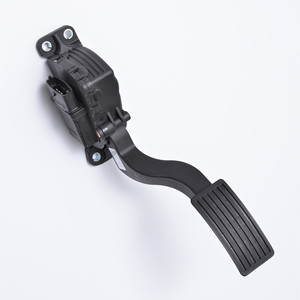
5V electronic sensor assembly featuring solid-state actuation for accessible pedestrian signals (APS) and high-density crosswalk push-button hardware.
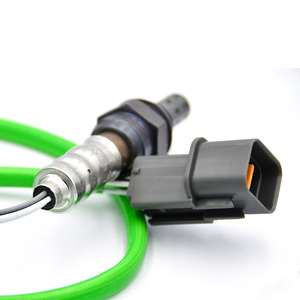
Commercial-grade optoelectronic feedback loop kit designed to adjust pedestrian LED brightness dynamically based on ambient sunlight conditions.
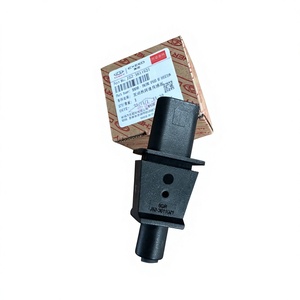
Compact rotational radar sensor engineered for non-intrusive micro-mobility tracking, counting pedestrian velocity and movement directions at crosswalks.
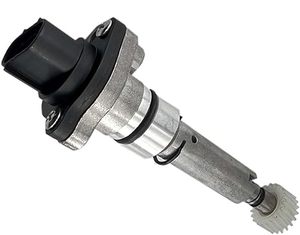
Multi-vehicle and pedestrian approach sensor providing real-time telemetry data to traffic signal control cabinets for adaptive clearance interval timing.
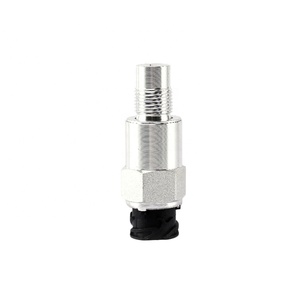
Industrial-grade conflict monitor and speed sensor unit for traffic controllers. Ensures redundancy and prevents conflicting green/walk display states.
Urbanization, population density, and strict municipal safety directives are fundamentally transforming crosswalk infrastructure worldwide. As smart cities transition from traditional fixed-time traffic controllers to adaptive, data-driven Intelligent Transportation Systems (ITS), the global demand for high-reliability, compliant, and cost-effective pedestrian signal heads has reached an unprecedented peak. Municipal transportation authorities, engineering consultants, and installation contractors are increasingly turning to top-tier manufacturing hubs in China for OEM and ODM production.
This whitepaper synthesizes technical criteria, quality assurance standardizations, compliance specifications (including ITE, NEMA TS-2, MUTCD, and EN 12368), and procurement strategies required when sourcing pedestrian signal heads, countdown timers, accessible pedestrian signals (APS), and auxiliary sensing hardware directly from Chinese factories.
Modern pedestrian traffic signals are far more than basic illuminated housings containing incandescent bulbs. Today's pedestrian signal module represents a sophisticated optoelectronic system engineered for high visibility under direct solar glare, long-term UV resistance, minimal power consumption, and environmental degradation resistance ranging from sub-zero Canadian winter conditions (-40°C) to scorching desert heat (+80°C).
Direct factory partnership offers critical technical advantages across design customization, manufacturing capacity, and total cost of ownership.
Full bill-of-materials (BOM) tracking from raw LED chips, PCB SMT lines, to final photometric goniophotometer testing reports.
Advanced high-efficiency power drivers reduce energy utilization down to less than 8 Watts per signal face, ideal for solar micro-grids.
Superior thermal management and potting compound encapsulation protect components against vibration, moisture, and thermal shock.
Fully compliant with open central management systems, allowing seamless drop-in replacement in legacy signal cabinets.
Rapid custom housing design, specialized symbol masks (e.g., bicycle/pedestrian combos), and specific mounting arm brackets.
Double-channeled EPDM rubber gaskets eliminate dust intrusion and withstand high-pressure water washing during street maintenance.
Global procurement guidelines (such as the ADA Standards in the United States and PROWAG regulations) increasingly mandate Accessible Pedestrian Signals (APS) for all new crosswalk construction and signal modernization projects. Future pedestrian signal heads are no longer isolated visual devices; they are integrated audio-tactile communication hubs.
Leading Chinese manufacturers are incorporating vibrotactile arrows, dynamic audible locator tones that auto-adjust volume relative to background ambient street noise, and multi-lingual voice messages. These modules connect directly to the walk/don't walk signal circuits without requiring extensive secondary cabinet wiring.
As autonomous and connected vehicles enter mainstream urban transport fleets, pedestrian signals are playing a vital role in vulnerable road user (VRU) safety ecosystems. Procurement specifications for 2025–2030 are rapidly requiring signal hardware to include integrated micro-radar or Bluetooth/Wi-Fi sensing units that broadcast real-time pedestrian presence to incoming vehicles via C-V2X (Cellular Vehicle-to-Everything) protocols.
By communicating pedestrian clearance state to adaptive traffic signal controllers via NTCIP 1202, signal phases can automatically extend if an elderly or mobility-impaired pedestrian remains inside the crosswalk corridor, significantly decreasing pedestrian fatality risks.
Energy resilience and rapid disaster recovery are driving municipal preference toward 12V/24V DC native pedestrian signals powered by integrated solar panels and ultra-long-life LiFePO4 battery back-ups. China’s leadership in photovoltaic manufacturing and battery chemistry allows tier-1 signal factories to deliver fully self-contained solar pedestrian signal packages capable of operating continuously through 7 consecutive overcast days without mains power connection.
International procurement teams must navigate several key factors when auditing potential OEM factories in China:
Get clear, technical answers regarding specs, factory customization, compliance, and international shipping.
Our pedestrian signal heads, countdown displays, and APS push buttons are manufactured to meet or exceed major international traffic control standards, including North American ITE (Institute of Transportation Engineers) VTCSH specifications, NEMA TS-1 / TS-2 cabinet standards, MUTCD compliance, and European EN 12368 optical and structural requirements. Photometric and chromaticity test reports are available upon request for consultant submittal packages.
Yes. OEM/ODM customization is a primary core strength. We manufacture signal modules for global voltage inputs ranging from 80-265V AC (50/60Hz) to low-voltage 12V/24V DC solar systems. Furthermore, lens masks can be fully customized—including standard Hand/Person, numeric countdown digits, bicycle/pedestrian combined symbols, or specific regional icon formats.
Modern APS push-button units feature modular control boards that wire in parallel with existing walk/don't walk field terminal wiring inside standard traffic cabinets. They do not require replacing your main controller software investment. The push-button unit contains its own ambient noise monitoring microphone, audio amplifier, and tactile vibrating arrow actuator.
Standard wholesale production MOQs typically start at 50 units for standard pedestrian signal assemblies and 100 units for individual replacement LED engine modules. Sample orders for evaluation, testing, and municipal bench approval are supported without strict MOQ constraints. Production lead times generally range from 15 to 25 business days depending on custom tooling or specific housing powder-coating requirements.
Quality assurance follows a strict ISO 9001 certified workflow: 100% incoming inspection of raw LED components, automated SMT solder paste inspection (SPI), 48-hour continuous elevated-temperature electrical burn-in for all power driver boards, IP67 water-immersion sealing testing, and final goniophotometer optical output verification prior to export packaging.
Yes. When paired with NTCIP-compliant traffic signal controllers, our signal assemblies, smart pedestrian sensors, and counting units feed operational status, conflict monitor alerts, and actuation signals back to your municipal Central Traffic Management System (CTMS) over hardened Ethernet, fiber, or cellular backhaul networks.
Request our complete 2025 technical catalogue, photometrics documentation, submittal sheets, and wholesale pricing guide directly from our engineering sales team.