ISO 9001 certified since 2003 Quebec · Ontario · British Columbia 1-800-363-7481

Explore our export-grade traffic signal components and vehicle sensing assemblies engineered for extreme climatic stability, strict photometric compliance (EN 12368 / ITE VTCSH), and high-reliability smart city integration.

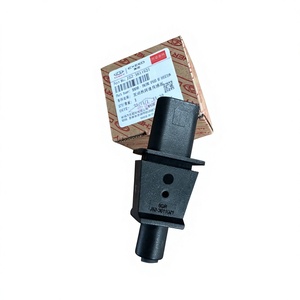
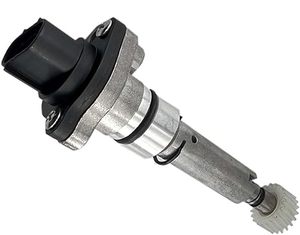
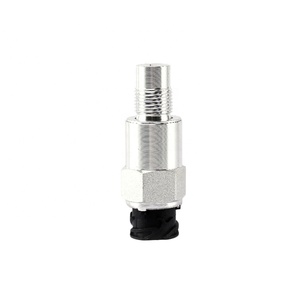
The global smart city market has catalyzed a structural shift in how civil engineering departments, municipal authorities, and Intelligent Transportation System (ITS) contractors source signalization hardware. As cities transition toward adaptive traffic signal control (ATSC), V2X (Vehicle-to-Everything) communications, and zero-emission microgrids, sourcing from specialized China wholesale traffic lights factories has evolved from a simple cost-reduction strategy into a strategic technology partnership.
China’s manufacturing ecosystem for traffic control products represents over 60% of world production capacity for high-luminance, low-wattage LED signal heads, controller cabinet assemblies (NEMA TS-2, ATC, and 170/2070 standards), and advanced vehicle detection hardware. However, navigating the vendor selection process requires technical clarity regarding optical engineering, thermal management, regulatory certifications, and long-term supply chain durability.
A common mistake in municipal procurement is evaluating traffic lights solely by upfront FOB unit prices. High-gain procurement strategies evaluate Total Cost of Ownership (TCO), focusing on luminous decay rates (<3% over 50,000 hours), phantom light ratios, power supply efficiency (>90%), and backhaul interoperability via NTCIP 1202/1203 protocols.
To achieve compliance with North American (ITE / NEMA), European (EN 12368), and international traffic safety mandates, leading OEMs engineering signal modules utilize multi-layered technical architectures:
Evaluating signal heads and control cabinets requires benchmarking core component specifications against field longevity:
| Evaluation Vector | Tier-1 OEM Factory (e.g., ISO 9001 Certified) | Generic Commodity Suppliers | Impact on Municipal Operating Budget |
|---|---|---|---|
| Optical Source | Osram / Cree LED chips with anti-ESD protection | Unbranded epoxy-encapsulated LEDs | Prevent premature node burnouts and color shifting. |
| Luminous Decay Rate | < 3% brightness degradation over 50,000 hrs | > 25% brightness drop in 12–18 months | Reduces emergency maintenance dispatches by 85%. |
| Enclosure Construction | GE Lexan UV Polycarbonate or ADC12 Aluminum | Recycled ABS / standard low-grade plastic | Prevents yellowing, cracking, and water ingress. |
| Protocol Compliance | NTCIP 1202 / 1203, ATC 5201, NEMA TS-2 | Proprietary closed protocol | Ensures full software interoperability with ATMS platforms. |
| Quality Control (QC) | 100% Goniophotometer & 48h Thermal Burn-in | Sample-based visual check | Guarantees zero-defect arrival at construction job site. |
As transportation networks embrace autonomy and edge computing, procurement engineers must source traffic signal systems designed to support emerging infrastructure demands. Forward-looking buyers in North America, Europe, and Asia-Pacific are specifying four non-negotiable trends:
Our manufacturing facilities operate under a rigorous quality management system certified to ISO 9001 standards since 2003. To guarantee that every batch of LED signals and control equipment shipped to overseas markets performs flawlessly in the field, we enforce a strict 3-tier inspection protocol:
Connect with our technical sales engineers to obtain full product specifications, photometric test reports, wiring diagrams, and direct factory quotation packages.