ISO 9001 certified since 2003 Quebec · Ontario · British Columbia 1-800-363-7481

Explore our OEM-grade sensor assemblies, vehicle telemetry modules, and signal control components engineered for rugged field reliability, NTCIP interoperability, and extreme ambient operation.
In modern Intelligent Transportation Systems (ITS) and smart municipal corridors, the traffic signal cabinet is no longer merely a weather-proof junction box. It serves as the Mission-Critical Edge Computing Hub housing delicate adaptive signal controllers, Conflict Monitor Units (CMU), Ethernet switches, power management assemblies, and vehicle detection interfaces. As a trusted Custom OEM Signal Cabinets Supplier & Exporter, our engineering philosophy blends heavy-duty structural design with advanced thermal dissipation dynamics to safeguard electronics across harsh thermal envelopes spanning -40°C to +74°C.
Fabricated exclusively from 0.125-inch thick marine-grade 5052-H32 aluminum alloy or 304/316 stainless steel. Seamless continuous-weld seams prevent moisture ingress and withstand extreme mechanical shear stress, meeting NEMA 3R, NEMA 4X, and IP66 ingress protection criteria.
Incorporates finite-element thermal modeling for natural convection airflow supplemented by thermostat-controlled dual 100 CFM louvered fans, solar-heat reflective powder coatings, and removable washable mesh air filters to eliminate internal thermal throttling.
Equipped with Corbin #2 locks, 3-point latching mechanism with 3/4-inch solid stainless steel locking rods, tamper-proof internal door hinges, and door-position detection switches connected to central management alarms via NTCIP telematics.
We custom engineer OEM signal cabinets aligned with recognized international standards including NEMA TS-1, NEMA TS-2 Type 1 & Type 2, ATC 5.2b, and Caltrans 332/336 standards. Compare the structural and electrical parameters below:
| Architecture Specification | NEMA TS-2 Type 1 | NEMA TS-2 Type 2 | ATC (Advanced Traffic Controller) | Caltrans 332 / 336 OEM |
|---|---|---|---|---|
| Primary Bus Interface | SDLC (RS-485 High Speed) | Discrete Wire Harnessing | High-Speed Serial Bus (HSSB) | C1/C11 Connectors |
| Fault Monitoring | MMU2 (Malfunction Management) | MMU / Conflict Monitor | CMU IP-Based Diagnostic Unit | Model 210 Monitor Unit |
| Cabinet Material | 5052-H32 Aluminum / Unpainted | 5052-H32 Aluminum | De-greased Aluminum / Polyester Powder | Anodized Aluminum / Stainless Steel |
| Operating Temperature | -34°C to +74°C (-30°F to 165°F) | -34°C to +74°C | -40°C to +75°C Extended Range | -37°C to +74°C |
| Protection & Sealing | NEMA 3R Outdoor Weatherproof | NEMA 3R / IP54 | NEMA 3R / IP66 Option | TEES Compliant / NEMA 3R |
| Backpanel Configuration | 12 or 16 Load Switch Positions | 8 or 12 Load Switches | Modular High-Density Card Cage | 12 Position EIA 19-inch Rack Mount |
The global demand for custom signal control enclosures is undergoing a structural paradigm shift driven by connected autonomous vehicles (CAV), edge artificial intelligence, and urban microgrid resiliency. Key trends shaping procurement specifications include:
Future signal cabinet procurement mandates internal 19-inch rack space dedicated to C-V2X (Cellular Vehicle-to-Everything) Roadside Units (RSU). Pre-integrated low-loss coaxial pass-through ports and dedicated 24V DC clean power taps allow seamless multi-modal communications with passing autonomous vehicles.
Legacy traffic controllers are giving way to high-performance AI inference processors inside the enclosure. Modern OEM cabinets require hardened industrial Gigabit Ethernet switches (PoE+ up to 90W) to feed multi-camera radar/video detection sensors directly into real-time adaptive traffic signal algorithms.
Severe weather events necessitate uninterrupted junction operations. Smart procurement guidelines mandate built-in Uninterruptible Power Supply (UPS) control bays with lithium-iron-phosphate ($LiFePO_4$) battery management, generator transfer switches, and solar power auxiliary feeds guaranteeing up to 24 hours of operation during grid blackouts.
With five decades of specialized experience in transportation technology and intelligent traffic control (ISO 9001 certified quality management since 2003), we provide total lifecycle assurance from CAD submittals to bench testing and field commissioning support.
Every custom cabinet assembly undergoes complete wire-harnessing, component installation, and 100% bench-testing of conflict monitors, BIUs, and load switches prior to shipment to reduce field installation time by over 60%.
From raw sheet metal chemical certification to batch torque logging and high-voltage dielectric breakdown testing, every unit leaves our factory with complete quality documentation and full serial-number component mapping.
Unlike proprietary single-brand OEMs, we design internal layouts customized to accept controllers, detection cards, and telemetry radios from any global manufacturer, maximizing asset flexibility for international buyers.
Heavy-duty heat-treated ISPM-15 export wooden packaging, moisture-barrier vapor packing, and custom wiring diagrams matched to destination country electrical codes ensure seamless customs clearance and deployment.
Detailed technical answers for consulting engineers, municipal signal technicians, project contractors, and international procurement agencies evaluating signal cabinet sourcing.
Our signal cabinets are engineered and manufactured in accordance with North American and international transportation benchmarks. Standard offerings comply with NEMA TS-1 and TS-2 (Type 1 & Type 2) specifications, Caltrans TEES (Transportation Electrical Equipment Specifications Models 332, 334, and 336), and ATC 5.2b standards. Additionally, internal communications support NTCIP 1202/1203 protocols, and electrical components hold UL listed, CSA, and CE certifications.
Yes. As a direct OEM manufacturer, we offer complete sheet-metal and electrical customization. Options include base-mount (ground pad installation), pole-mount, and side-of-pole bracket configurations. Internal options feature 19-inch EIA rack rails, custom backpanel load switch counts (8, 12, or 16 positions), dedicated UPS battery drawers, solar controller sub-panels, and custom powder-coat color matching (including anti-graffiti finishes).
We utilize thermodynamic modeling to engineer multi-stage heat dissipation systems. Cabinets deployed in extreme desert environments (up to +75°C ambient) feature double-walled solar shield roofs, sunshade side panels, thermostatically controlled dual ball-bearing fans rated for continuous 100,000-hour MTBF, and optional closed-loop air-to-air heat exchangers or thermoelectric air conditioners (R134a compliant).
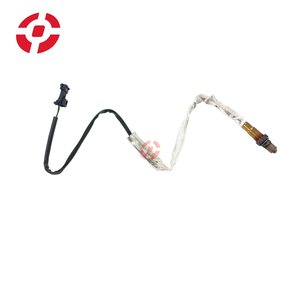
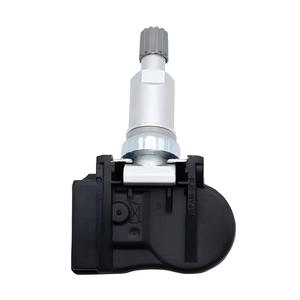
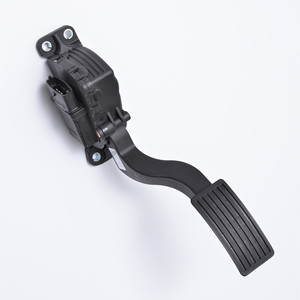
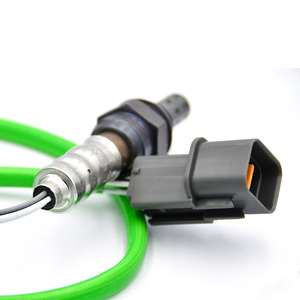
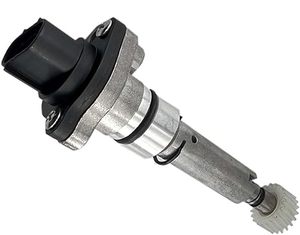
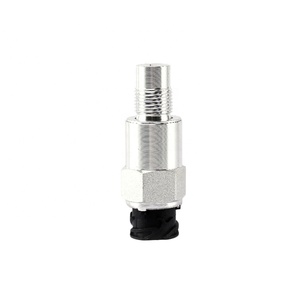
Modern connected city initiatives leverage automotive and fleet sensor data—such as speed sensor telemetry, rotation sensor metrics, and pedal position sensors—transmitted via vehicle-to-infrastructure (V2I) cellular telemetry directly into roadside signal cabinets. The cabinet's edge computing node aggregates vehicle sensor data to dynamic traffic control algorithms, prioritizing emergency vehicles, adjusting phase timing, and monitoring commercial fleet emissions in environmental zones.
Under our ISO 9001 certified quality system, every cabinet undergoes rigorous Factory Acceptance Testing (FAT). This includes 100% point-to-point continuity testing of signal harnesses, dielectric high-potential voltage testing, rain-spray ingress testing (NEMA 3R/4X verification), door latch mechanical cycle checks, and full functional burn-in of power supplies and conflict monitoring units for a minimum of 48 hours.
Standard prototype or custom engineering submittals (CAD drawings, wiring schematics) are delivered within 5 to 7 business days. Production lead times typically range from 3 to 6 weeks depending on component customization and order volume. Expedited production lanes and sea/air export packaging (ISPM-15 wooden crates) are available for urgent municipal intersection rehabilitation projects.
Need CAD details, wiring schematics, or factory-direct OEM pricing for upcoming traffic control tenders or smart city deployments? Our engineering sales team is ready to assist.