ISO 9001 certified since 2003 Quebec · Ontario · British Columbia 1-800-363-7481

Precision-engineered sensors, signal modules, and interface electronics designed for extreme automotive environments, municipal signal cabinets, and heavy commercial vehicles.
Five decades of field engineering experience in heavy automotive & transportation sectors.
ISO 9001 quality management certified since 2003 with full component batch traceability.
Strict adherence to NEMA TS-2, ATC, NTCIP 1202/1203, and CAN-bus industrial standards.
Direct engineering partnerships providing authorized OEM subassembly solutions worldwide.
Modern mobility ecosystems, smart city Intelligent Transportation Systems (ITS), and high-performance automotive powertrains rely heavily on precise, deterministic signal conditioning. As vehicular architectures transition toward autonomous driving, Ethernet backbones, and real-time adaptive traffic controls, the role of Custom OEM Signal Modules has evolved from basic signal amplification to edge-computed data integrity verification.
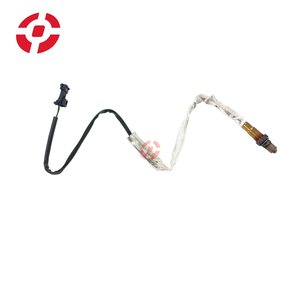
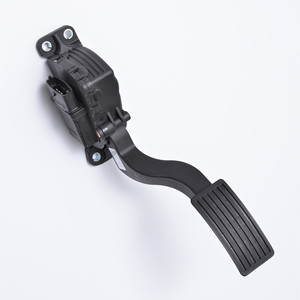
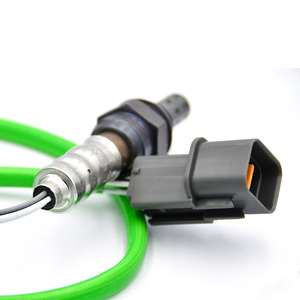
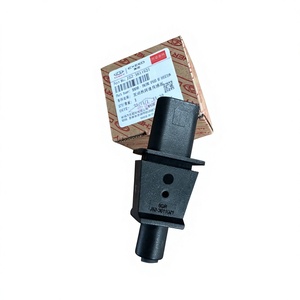
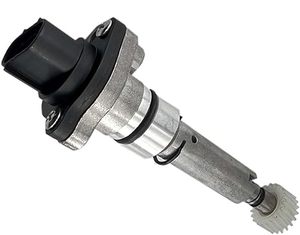
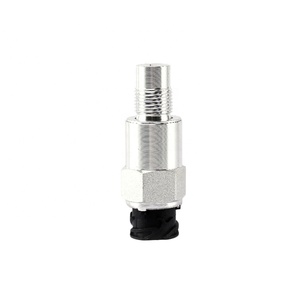
Whether processing high-frequency pulse inputs from automotive speed sensors (such as OEM 8318112040 and BQZ023C), managing closed-loop feedback in electronic throttle systems via 5V accelerator position sensors (611A series), or monitoring stoichiometric combustion balance through wideband lambda sensors, custom signal modules serve as the critical hardware interface between physical analog phenomena and digital engine control units (ECUs) or traffic management controllers.
In municipal traffic management cabinets and commercial vehicle engine bays, electronics face extreme thermal cycling, electromagnetic interference (EMI), moisture ingress, and vibration stress. Custom OEM manufacturing demands stringent adherence to international electro-technical standards:
| Signal Module Class | Primary Input Interface | Industry Standard Compliance | Target Application Environment |
|---|---|---|---|
| Automotive Lambda / O2 Module | Analog Zirconia / Titania Cell Voltage | AEC-Q100, ISO 26262 ASIL-B | Commercial Vehicle Exhaust & Engine Control Units |
| Pedal Position Signal Conditioner | Dual Hall-Effect / Potentiometric 5V | FMVSS 124, ISO 16750 | Electronic Throttle Control (Drive-by-Wire) |
| Rotational Speed Signal Converter | Variable Reluctance / Hall Pulse | NEMA TS-2, SAE J1455 | Transmission Speed & Fleet Telematics Systems |
| ITS Vehicle Detection Interface | Radar, Video Analytics, Radar Loop | NTCIP 1202/1203, ITE Photometric | Smart City Intersection & Corridor Management |
From initial circuit prototype to mass SMT manufacturing and bench testing, our ISO 9001 certified facilities ensure every signal module meets rigorous global submittal specifications.
Certified quality management since 2003. Full lot traceability, automated optical inspection (AOI), and rigorous component screening guarantee zero-defect shipments for global export markets.
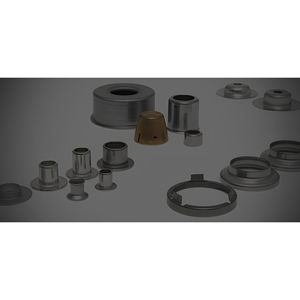
Complete custom design services including PCB layout, deep-drawn metal stamping, custom harness overmolding, and firmware development tailored to your exact pinout and protocol specifications.
Every order is supplied with comprehensive technical submittal packages, wiring schematics, environmental test data, and standard compliance certificates (NEMA, ATC, ITE, CE, RoHS).
As global supply chains become more decentralized and the demand for smart, connected infrastructure surges, procurement teams face new challenges in component availability, lifecycle management, and protocol interoperability. Navigating the next decade requires understanding key industry trends:
Traditional signal conditioning modules simply amplified or digitized raw sensor readings. Modern signal modules integrated into Intelligent Transportation Systems (ITS) and automotive control units now feature embedded Microcontroller Units (MCUs) running edge-AI algorithms. This allows sensor modules (such as radar vehicle detectors and rotation speed modules) to filter out noise, perform predictive maintenance self-diagnostics, and transmit pre-validated telemetry directly over NTCIP or CAN-FD networks.
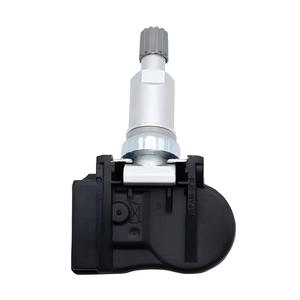
Tier-1 automotive suppliers and municipal equipment contractors are shifting away from single-source proprietary hardware. Procurement directors prioritize OEM manufacturers capable of producing modular, drop-in replacement signal modules (such as universal fitment speed sensors like OEM BQZ023C or 40700-3AN0B TPMS modules). Modular designs allow buyers to change microcontrollers or sensor elements without redesigning the entire enclosure or field harness.
With global sustainability mandates expanding, signal module exporters must guarantee compliance with RoHS 3, REACH, and Conflict Minerals regulations. Furthermore, municipal traffic departments and fleet operators demand extended product availability—requiring OEM partners to commit to 10-to-15 year component lifecycle support, bench repair capabilities, and backward-compatible firmware updates.
Detailed answers regarding customization, compliance documentation, minimum order quantities, and international export procedures.
We provide full turn-key customization including PCB form-factor redesign, custom voltage input/output scaling (e.g., 0-5V, 4-20mA, PWM, CAN-bus), custom connector pinouts, deep-drawn stainless steel or aluminum enclosures, specialized potting for underwater/vibration exposure, and private label branding.
Our signal conditioning modules utilize automotive-grade (AEC-Q100 Grade 1 or 0) integrated circuits featuring internal temperature compensation. Completed circuit assemblies undergo environmental stress screening (ESS), thermal cycling from -40°C to +125°C, and 100% automated bench testing prior to shipment.
Yes. Our signal modules designed for intelligent transportation systems comply with NTCIP 1202 (Traffic Signal Controller Units) and NTCIP 1203 (Dynamic Message Signs) protocols, allowing seamless integration with existing central Advanced Traffic Management Systems (ATMS).
Every exporter submittal package includes complete Bills of Materials (BOM), detailed pinout wiring diagrams, Certificate of Conformance (RoHS / CE / ISO 9001), photometric test reports (where applicable), and step-by-step installation manuals for field technicians.
Standard prototype samples for pre-engineered sensor modules (such as oxygen sensors, speed sensors, and throttle assemblies) are typically dispatched within 7–14 business days. Custom OEM tooling and full SMT production runs range from 3 to 6 weeks depending on component lead times and test specifications.
Partner with an established ISO 9001 certified OEM signal module manufacturer. Our application engineers prepare tailored bills of materials, schematics, and volume pricing packages within 24 hours.
Get Catalog