ISO 9001 certified since 2003 Quebec · Ontario · British Columbia 1-800-363-7481

High-precision automotive sensors, electronic telemetry components, and highway message displays manufactured to ISO 9001 quality standards.
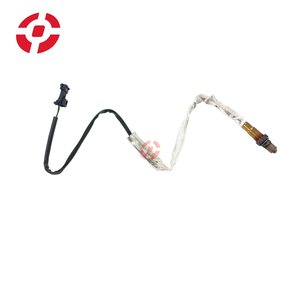
High-sensitivity zirconia sensing element for precise lambda monitoring and low emissions compliance.
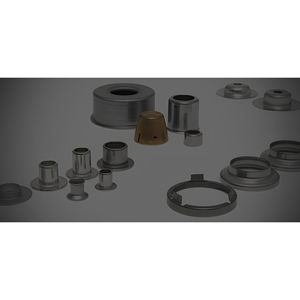
Corrosion-resistant stainless steel housings designed for high-stress sensor and electronic module protection.
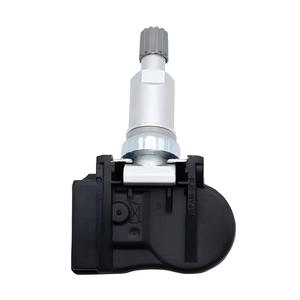
Long-battery-life wireless pressure and temperature monitoring transducer for heavy vehicle fleets.
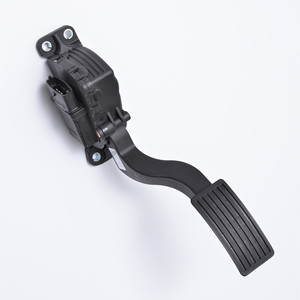
Dual-channel redundant potentiometer feedback module built for commercial drive-by-wire systems.
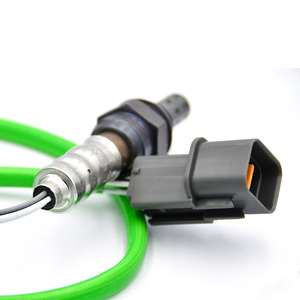
Rapid light-off planar element technology ensuring instant oxygen feedback under severe temperature loads.
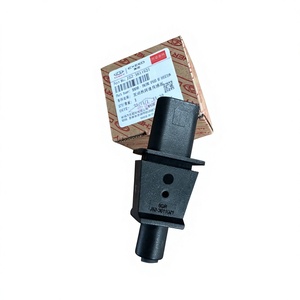
Hall-effect rotation pulse sender with integrated pressure diagnostic circuit and 1-year factory warranty.
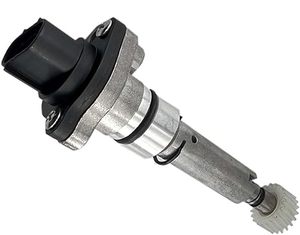
Direct-fit transmission output speed pickup module for high-reliability vehicle telemetry tracking.
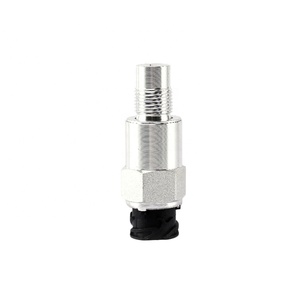
Ruggedized electromagnetic speed sensor engineered for continuous heavy transport operations.
In modern industrial logistics, municipal intelligent transportation systems (ITS), and smart parking environments, the procurement of LED notice boards, dynamic message signs (DMS), and real-time electronic visual displays has transitioned from standard signage purchases to strategic digital infrastructure investments. Selecting a premier manufacturing factory requires evaluating optical readability, severe-climate thermal management, communication protocol interoperability (NTCIP 1202/1203, Modbus, Ethernet/IP), and seamless multi-sensor telemetry integration.
As smart city grids expand, electronic notice boards no longer function in isolation. They act as visual data nodes connected to roadside radar systems, vehicle presence detectors, environmental lambda/air-quality sensors, and central management software. Procurement directors evaluating the top 10 notice boards factories must scrutinize factory production lines, sub-assembly testing protocols, ISO quality certifications, and life-cycle hardware support.
How global procurement officers and consulting engineers filter tier-1 electronic display and notice board factories.
Tier-1 factories guarantee compliance with international electrical and optical standards. Look for documented ISO 9001:2015 quality management systems, NEMA TS-2 / TS-4 cabinet standards, ITE photometric requirements, and CSA/UL safety approvals.
Factory optical labs must test contrast ratios under direct 100,000 lux sunlight. High-performance notice boards incorporate ambient light dimming, anti-glare polycarbonate masks, and high-efficiency LEDs for 100,000-hour operational lifespans.
Leading notice boards factories pre-integrate controllers to read inputs directly from vehicle speed sensors, radar units, environmental air monitoring loops, and parking barrier gates without requiring secondary conversion hardware.
Since 1974, our engineering facilities have specialized in the design, sub-assembly, wiring, and rigorous bench-testing of industrial control systems, traffic signal cabinets, dynamic message displays, and vehicle sensor electronics. Operating under an ISO 9001 quality management system certified since 2003, every batch leaving our production lines undergoes 100% burn-in and optical inspection.
Whether you require standard municipal LED notice boards, customized parking guidance displays, or OEM automotive sensor sub-assemblies (such as O2 sensors, rotational speed sensors, and throttle position transmitters), our regional facilities deliver fully documented, inspection-ready solutions.

Compare core engineering capabilities across leading notice boards and dynamic display manufacturers.
| Factory Tier / Category | Manufacturing Focus | NTCIP / Protocol Support | Weather Resistance | Primary Industrial Application |
|---|---|---|---|---|
| Tier 1 - Smart City ITS Factory | Dynamic Message Signs (DMS) & Variable Notice Boards | NTCIP 1202/1203, SNMP, MODBUS | NEMA 4X / IP66 (-40°C to +74°C) | Highway corridors, arterial roads, expressways |
| Tier 1 - Industrial Display OEM | Full-Color Matrix LED Notice Boards & Safety Boards | Ethernet/IP, RS-485, CANbus | IP65 Weatherproof & Vandal Proof | Manufacturing plants, logistics hubs, mining sites |
| Tier 2 - Commercial Parking Factory | Space Availability & Guidance LED Notice Boards | TCP/IP, Serial, Wireless Mesh | IP54 Outdoor Rated | Commercial garages, shopping centers, airports |
| Tier 2 - Portable Trailer Sign OEM | Solar-Powered Mobile Electronic Notice Boards | Cellular IoT, NTCIP Lite | IP65 Solar Enclosure | Work zone safety, temporary detours, events |
| Tier 3 - Standard Digital Signage Factory | LCD / Direct View LED Commercial Displays | HDMI / Proprietary Media Player | Indoor / IP40 | Retail stores, corporate lobbies, indoor centers |
Emerging technological shifts impacting wholesale procurement decisions over the next five years.
Modern electronic notice boards are morphing into edge-computing nodes. Integrated AI cameras and radar vehicle detectors process local traffic density, speed violations, and pedestrian presence in real time, automatically triggering dynamic warning messages on the notice board without latency.
Next-generation notice boards factories are prioritizing ultra-low-power LED driver ICs paired with high-efficiency photovoltaic panels and long-life Lithium Iron Phosphate (LiFePO4) battery packs, enabling continuous 24/7 operation even in low-sunlight winter regions.
As Vehicle-to-Everything (V2X) infrastructure matures, dynamic notice boards serve a dual function: broadcasting visual warnings to human drivers while simultaneously transmitting DSRC/C-V2X radio messages directly to autonomous and connected vehicle onboard units.

A major failure point in field deployments is the disconnect between sensing hardware and dynamic visual notice boards. High-reliability installations utilize hardened industrial interfaces where vehicle sensors feed telemetry directly into the message controller.
For instance, vehicle speed sensors and rotational pulse transducers stream high-frequency data to roadside processing units. When thresholds are exceeded, the notice board dynamically switches graphics to display warning alerts, reducing accident risks in hazardous transit zones.
Always request factory pre-commissioning for notice boards paired with external sensors. Ensuring baud rates, RS-485 pinouts, and protocol maps are configured prior to shipping eliminates costly field troubleshooting during site installation.
Answers to common technical, compliance, and ordering questions evaluated by consulting engineers and purchasing teams.
Our traffic cabinets, LED notice boards, and sensor assemblies adhere to recognized North American and global specifications: NEMA TS-1 / TS-2 and ATC controller architectures, NTCIP 1202/1203 communication standards for central system interoperability, ITE/CSA photometric performance, and MUTCD-aligned sign layouts. Specific regional requirements (such as MTO or MTQ specs) are evaluated and certified per project.
Yes. Beyond our regional Canadian engineering branches in Quebec, Ontario, and British Columbia, our technical export team prepares submittal drawing packages, wiring schematics, detailed bills of material (BOM), and certified test reports for consultants, contractors, and international municipal buyers worldwide.
Selection depends on environmental site geometry and data goals. Inductive loops offer pinpoint stop-bar presence detection; Doppler radar excels in adverse weather (snow, heavy fog, high glare) for advance speed detection; video analytics provides vehicle classification and turning movement metrics; and magnetic/rotational sensors suit specialized pavement applications. We evaluate mounting height, power constraints, and backhaul before recommending an optimal technology mix.
Absolutely. We specify NTCIP-compliant controllers, industrial field Ethernet switches, and hardened cellular/wireless gateways. This ensures new LED notice boards and sensor stations feed directly into your existing Advanced Traffic Management System (ATMS), parking management software, or city open-data dashboard without replacing your software investment.
Under our ISO 9001 quality management framework (certified since 2003), all electronic notice boards, controllers, and sensor enclosures undergo a mandatory 48-hour environmental burn-in, thermal cycling, dielectric insulation testing, and optical pixel verification before receiving final QA dispatch clearance.
Standard catalog components ship within 1 to 2 weeks. Custom NEMA cabinet integration, specialized LED notice board matrix sizes, or custom OEM sensor sub-assemblies typically carry a factory production lead time of 4 to 6 weeks, complete with full submittal packages and factory acceptance testing (FAT) documentation.