ISO 9001 certified since 2003 Quebec · Ontario · British Columbia 1-800-363-7481

Precision-engineered rubber, polyurethane, and smart-sensor parking curb assemblies manufactured for international logistics hubs, municipal parking complexes, and commercial fleets.
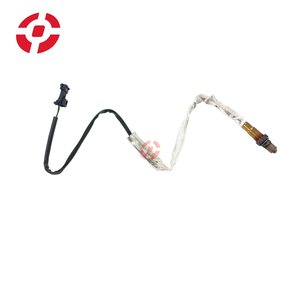
High-density recycled vulcanized rubber curb with molded reflective yellow stripes, UV resistance, and dual anchor points for commercial bays.
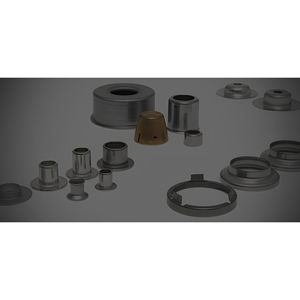
Heavy-duty deep-drawn stamped steel housing components engineered for flush-mounted ultrasonic parking guidance sensors and heavy vehicle stops.
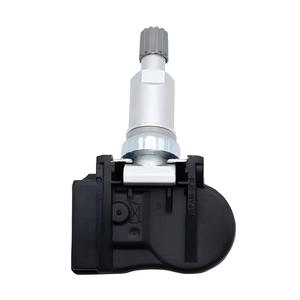
Integrated wireless geomagnetic sensor module embedded in parking stoppers to deliver real-time vehicle positioning and bay occupancy data.
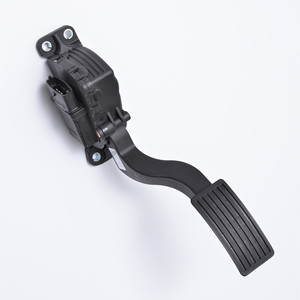
Heavy-vehicle speed throttling sensor and barrier alignment controller for automated loading docks and fleet staging yards.
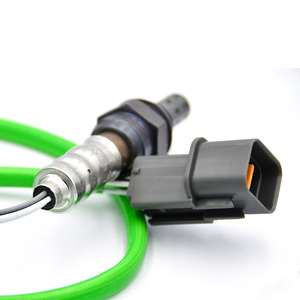
High-efficiency optical sensing kit for automatic wheel stopper alignment in logistics facilities, preventing dock leveler impact.
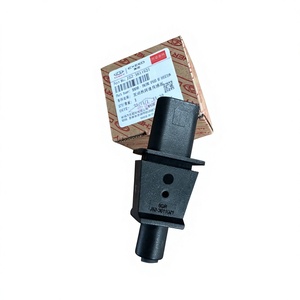
Engineered high-molecular polyurethane wheel buffer block designed for heavy freight trucks, offering 40+ ton load compression endurance.
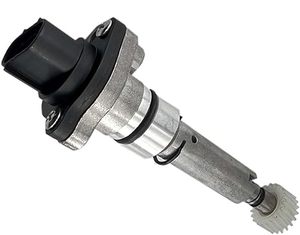
High-flexibility Thermoplastic Polyurethane car stopper with reflective chevron tape, preventing bumper scrapes in tight underground lots.
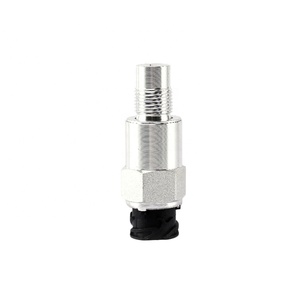
Heavy-gauge cast steel pipe parking curb with powder-coated safety yellow finish, engineered for oil refineries, ports, and logistics hubs.
As global urban density accelerates and commercial vehicle fleets expand, the requirement for robust, reliable, and standardized parking control hardware has shifted from a peripheral facility consideration to an essential structural safety imperative. Modern commercial facilities—ranging from automated e-commerce fulfillment centers to multi-story municipal parking structures—require precision-engineered wheel stoppers (also termed parking curbs, car stops, or wheel chocks) to prevent structural perimeter impact, protect expensive charging infrastructure in Electric Vehicle (EV) bays, and ensure pedestrian safety.
China has established itself as the dominant global manufacturing epicenter for traffic safety hardware, leveraging advanced rubber vulcanization technology, high-tensile polymer chemistry, and automated metal casting. However, international procurement directors, municipal civil engineers, and facility management firms face significant variance in supplier capabilities, material purity, and compliance with international standards such as ASTM D2000, CE, and ISO 9001 quality management benchmarks.
This technical whitepaper provides B2B buyers with an authoritative analysis of material engineering standards, manufacturing processes, emerging IoT smart-parking integration trends, and a comprehensive buyer checklist to evaluate Chinese suppliers and exporters effectively.
Selecting the appropriate wheel stopper matrix requires a rigorous assessment of vehicle axle weights, ambient environmental exposure, substrate properties (asphalt vs. reinforced concrete), and traffic frequency. Chinese manufacturers predominantly produce wheel stoppers across three major material classifications:
Engineered rubber wheel stoppers synthesized from recycled commercial vehicle tires bonded with polyurethane binders represent the benchmark for standard commercial applications. Their inherent elasticity allows them to absorb kinetic energy without cracking substrate concrete or damaging light vehicle chassis components.
Designed for premium commercial complexes and heavy industrial environments, virgin polyurethane wheel stoppers deliver superior resistance against oil leakage, hydraulic fluid degradation, and extreme abrasion.
For industrial freight depots, container terminals, and heavy vehicle repair facilities handling 20-ton to 50-ton gross vehicle weights (GVW), steel pipe barriers anchored directly into reinforced concrete footings remain mandatory.
| Material Category | Axle Load Rating | Impact Absorption | Chemical / Salt Resistance | Optimal Application Environment |
|---|---|---|---|---|
| Vulcanized Recycled Rubber | Up to 15 Tons | High (Energy Absorbing) | High (Resists De-icing Salts) | Retail Lots, Municipal Garages, Commercial Fleets |
| Virgin Polyurethane (PU) | Up to 25 Tons | Medium-High | Exceptional (Hydrocarbon Proof) | EV Charging Hubs, Cleanroom Docks, High-End Arenas |
| Galvanized Cast Steel | 50+ Tons | Low (Rigid Barrier) | Moderate (Requires Powder Coating) | Logistics Hubs, Mining Yards, Ports & Freight Depots |
The global traffic management landscape is undergoing a digital transformation. Forward-thinking procurement teams are moving beyond static rubber blocks toward integrated, multi-functional wheel stop platforms. Leading Chinese exporters are pioneering several key technological innovations:
Modern smart cities demand real-time telemetry. Chinese manufacturers are now embedding ultrasonic sensors, geomagnetic field detectors, and Bluetooth Low Energy (BLE) transponders directly into the recessed cavity of rubber wheel stoppers. This allows municipal operators to monitor parking bay occupancy, detect unauthorized EV charging stall squatting, and feed data into automated parking guidance networks without invasive pavement trenching.
With the exponential growth of Electric Vehicle charging stations, parking bays require clean power distribution. Next-generation wheel stoppers feature dual bottom-tunnel raceways, allowing high-voltage charging lines or low-voltage sensor cables to pass safely underneath the barrier, protecting infrastructure from tire compression and mechanical wear.
Passive safety is heavily dependent on optical reflectivity under low-light conditions. Top exporters are replacing conventional painted yellow stripes with high-index micro-prismatic retroreflective polymer tapes (conforming to ASTM D4956 Type IV specs) molded directly into the rubber substrate during heat vulcanization, preventing delamination under pressure washing.
Strict European REACH regulations and North American LEED building standards require wheel stoppers deployed in enclosed underground structures to be free of Polycyclic Aromatic Hydrocarbons (PAHs) and volatile organic compounds (VOCs). China's leading exporters have developed low-odor, REACH-compliant recycled rubber formulations specifically for indoor parking installations.
When sourcing traffic safety products from China, identifying a qualified manufacturer rather than a trading intermediary is vital for maintaining product consistency, warranty enforcement, and custom OEM/ODM tooling flexibility. Key structural advantages offered by premier Chinese wheel stopper manufacturers include:
Failure of parking curbs is almost universally attributed to improper anchor selection relative to the installation substrate. Municipal engineers and installation contractors must adhere to strict anchoring guidelines:
Concrete decks provide high compressive and shear strength. Wheel stoppers should be secured using heavy-duty mechanical expansion bolts or drop-in anchor shields (minimum 1/2-inch diameter by 5-inch length) installed with structural epoxy resin to prevent moisture ingress into post-tensioned slabs.
Asphalt exhibits plastic flow under elevated ambient temperatures. Standard expansion bolts will tear out under vehicle impact. High-performance installations require 12-inch to 14-inch rebar spikes or threaded steel anchors secured with cold-pour asphalt adhesive to distribute lateral impact loads deeply into the aggregate base course.