ISO 9001 certified since 2003 Quebec · Ontario · British Columbia 1-800-363-7481

Direct factory supply for OEM automotive, commercial transit, and industrial human-machine interface (HMI) applications. Engineered for lifetime reliability under extreme thermal and mechanical shock.
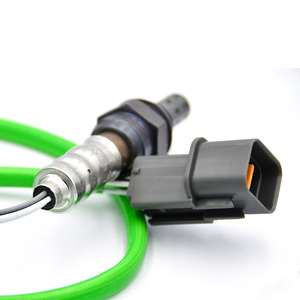
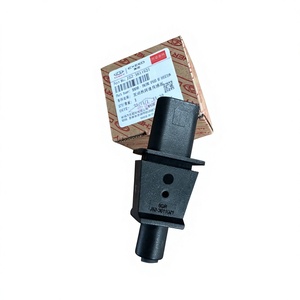
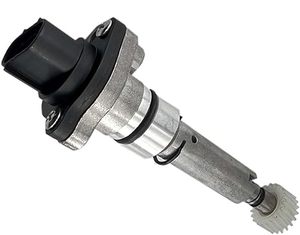
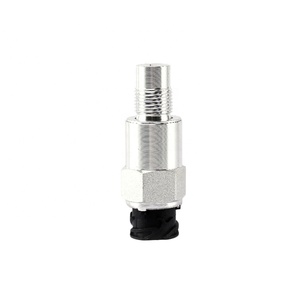
In modern electrical engineering, commercial vehicle manufacturing, and smart transportation control systems, push button switches and automotive sensors represent mission-critical nodes of human-machine interaction (HMI) and diagnostic input. Procurement officers, system integrators, and design engineers must navigate stringent environmental specs, electrical endurance ratings, and mechanical actuation life cycles when selecting direct factory manufacturing partners.
Information Gain Insight: Unlike standard off-the-shelf catalog switches, heavy-duty industrial push buttons and automotive sensors specified for OEM Tier-1 integration require dynamic gold-flashed silver alloy contacts, double-break switching mechanisms, and IP69K ingress protection against high-pressure steam jet cleaning.
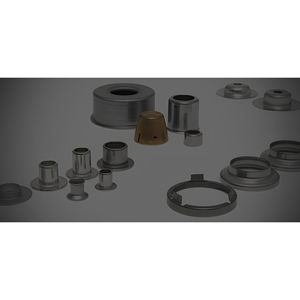
The mechanical reliability of a push button factory depends on its metallurgical stamping precision and contact button geometry. Premium industrial push button factories employ micro-gap contact structures engineered with self-cleaning wiping action. During each actuation cycle, the moving contact slides fractionally across the stationary terminal, scraping off localized oxide layers caused by electrical micro-arcing. This mechanism maintains contact resistance under 20 milliohms across millions of duty cycles, guaranteeing signal integrity for low-voltage digital microcontrollers (5V/24V DC logic circuits).
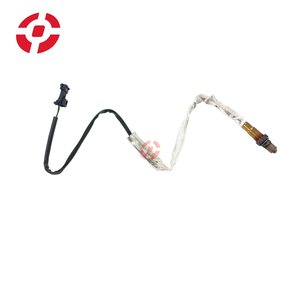
Industrial push buttons deployed in transit hubs, traffic signal cabinets, and heavy automotive engine bays face severe exposure to moisture, salt spray spray mist, oil mist, and extreme thermal cycling (-40°C to +125°C). Leading suppliers utilize over-molded fluorosilicone boots and ultrasonic housing seals to block particulate and moisture ingress. For specialized automotive applications, such as oxygen sensors, lambda sensors, and speed sensors, deep-drawn stainless steel housings protect micro-electronic assemblies from harsh underbody pressure washing and corrosive ambient road chemicals.
| Specification Category | Standard Commercial Grade | Heavy-Duty Industrial Grade | Automotive OEM / OEM Special |
|---|---|---|---|
| Mechanical Life Cycles | 100,000 to 500,000 cycles | 1,000,000 to 5,000,000 cycles | 10,000,000+ operations |
| Ingress Protection Rating | IP40 - IP54 | IP65 - IP67 / NEMA 4X | IP68 / IP69K (Hermetic Seal) |
| Operating Temperature | -10°C to +55°C | -25°C to +70°C | -40°C to +125°C (Engine Bay) |
| Contact Metallurgical Base | Standard Brass / Nickel Plate | Silver Cadmium Oxide (AgCdO) | Gold-Flashed Silver-Nickel Alloy |
| Vibration Resistance | 10g (10-55Hz) | 30g (10-500Hz) | 50g Shock / SAE J1455 Standard |
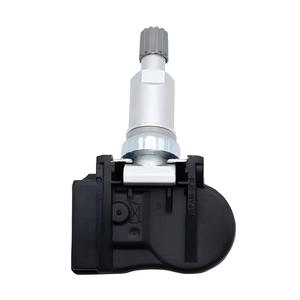
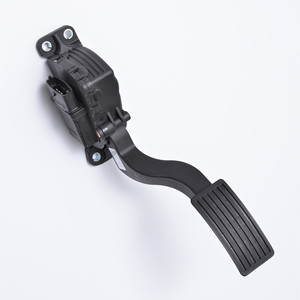
As automotive architectures transition to electronic throttle controls (Drive-by-Wire) and integrated sensor networks, the boundary between mechanical push button HMIs and solid-state sensors continues to converge. Electronic accelerator pedal position sensors (such as Model 611A), vehicle speed sensors (8318112040), and tire pressure monitors (40700-3AN0B) utilize identical high-grade wiring harnesses, shielded connectors, and anti-vibration mounting hardware as heavy-duty industrial control switches. Selecting a supplier with combined capabilities across push buttons and automotive sensors ensures unified quality control protocols and simplified procurement overhead.
Combining over five decades of engineering heritage with rigorous ISO 9001 certified manufacturing practices to deliver zero-defect control components worldwide.
Every raw material batch, metallic contact alloy, and plastic polymer molding is fully traceable back to its mill certification. Our quality management system has been audit-certified continuously since 2003.
Before dispatch, 100% of manufactured push button switches and automotive sensors undergo automated bench testing for contact resistance, actuation force curves, dielectric strength, and signal wave timing.
From custom laser-etched button legend icons to specific actuation forces, specialized terminal headers, and custom mounting bezels, our technical engineering team delivers turnkey submittal packages.
Serving OEM clients across North America, Europe, and Asia-Pacific. Fast-track customs clearance support, standard export packaging, and flexible FOB/CIF procurement contract terms.
As industrial automated production lines, smart cities, and commercial vehicle fleets undergo rapid digitalization, procurement officers must align their sourcing strategies with long-term technological transformations. The traditional electromechanical push button is rapidly evolving from a simple binary on/off switch into an intelligent, networked input device.
Next-generation push button arrays are abandoning individual point-to-point copper wiring in favor of CAN-bus, LIN-bus, and IO-Link communication protocols. This reduces wire harness weight by up to 60% in commercial trucks and transit buses while providing real-time switch health diagnostics.
For sterile or ultra-harsh environments (food processing, chemical washdown, marine transport), solid-state piezoelectric push buttons with zero moving parts are replacing mechanical contacts. Featuring infinite cycle lifespans and complete hermetic sealing, these switches prevent water ingress under all pressure ranges.
Global environmental regulations (RoHS 3, REACH, TSCA) are forcing factory suppliers to eliminate halogenated flame retardants and lead content in contact silver alloys. Modern factories utilize recyclable engineering thermoplastic housings and non-hazardous contact silver-tin-oxide (AgSnO2) matrixes.
When auditing potential factory suppliers, enterprise procurement teams should evaluate four core engineering pillars to prevent costly line shutdowns or field recall campaigns:
Direct technical answers to common engineering, compliance, and bulk procurement questions.
Partner with a premier push button factory and automotive sensor supplier. Contact our application engineers today for sample evaluations, custom submittals, and wholesale OEM price schedules.