ISO 9001 certified since 2003 Quebec · Ontario · British Columbia 1-800-363-7481

Engineered for high-durability traffic management, automotive feedback control, and smart city infrastructure deployments.
Engineering traffic signal structures & mobility telemetry since 1974 across extreme weather environments.
Certified continuous quality control since 2003 with rigorous material traceability on every shipment.
Full adherence to NEMA TS-1/TS-2, ATC controllers, and NTCIP 1202/1203 central protocols.
Supplying state/provincial transport departments, contractors, and municipal engineers worldwide.
In modern intelligent transportation systems (ITS) and smart municipal management, signal posts serve as the physical bedrock for intersection safety, traffic flow monitoring, emergency vehicle preemption, and V2X (Vehicle-to-Everything) communications. As a globally recognized Top Trusted Signal Posts Manufacturer & Exporter, our engineering philosophy balances rigid dynamic wind-load resistance with seamless hardware integration for field sensors, radar arrays, and traffic control cabinets.
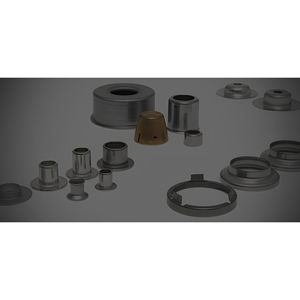
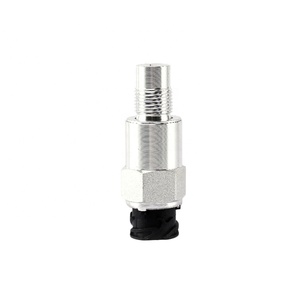
Urban intersections and highway corridors face demanding microclimates—ranging from -40°C sub-zero freeze cycles to saline coastal atmospheres. The failure of a signal post structure or its integrated speed and pressure telemetry sensors leads directly to traffic delays, compromised pedestrian safety, and costly emergency maintenance. Our structural signal posts and complementary automotive sensor components are manufactured using high-strength hot-dip galvanized (HDG) steel, precision deep-drawn housing components, and solid-state telemetry electronics engineered for zero-downtime operation.
Engineered according to AASHTO LTS specifications to resist extreme gust loads up to 150 mph with minimal fatigue over a 50-year design life.
Hot-dip galvanization meeting ASTM A123 / ISO 1461 standards guarantees multi-decade protection against salt spray, chemical de-icers, and UV oxidation.
Pre-drilled mounting channels, internal wiring conduits, and standard handhole accesses support rapid field installation of NEMA TS-2 control cabinets and radar sensors.
The global traffic management equipment market is undergoing a structural transition toward integrated smart city networks. B2B buyers, municipal signal authorities, EPC contractors, and international importers no longer purchase isolated metal posts or simple hardware; they procure multi-modal sensor infrastructure platforms. Analyzing global procurement data highlights four core procurement trends driving municipal and highway tenders through 2035:
Procurement teams are prioritizing signal structures equipped with integrated solar micro-grids and battery enclosures. Solar-powered flashing beacons and low-power speed detection sensors eliminate expensive trenching costs along rural highway corridors.
Modern signal posts must support higher dead-weight and wind-area allowances to accommodate roadside unit (RSU) transceivers, LiDAR sensors, and video analytics cameras running AI edge detection for autonomous vehicle synchronization.
Leading transport departments now evaluate bids using 30-year lifecycle costing rather than initial unit purchase price. Corrosion resistance, modular spare parts availability, and standardized mounting interfaces yield significant long-term maintenance savings.
Procurement contracts explicitly mandate compliance with NTCIP 1202/1203 protocols, ATC controller architecture, and standardized OEM component cross-compatibility to prevent supplier lock-in.
The boundary between civil structural engineering and vehicle telemetry electronics is converging rapidly. As smart cities expand, the post structure itself acts as an active data node, collecting vehicle speed, engine feedback metrics, ambient environmental conditions, and pavement status.
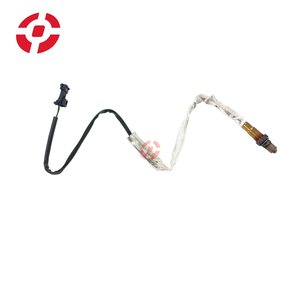
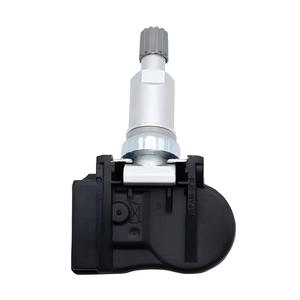
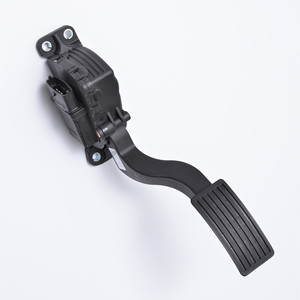
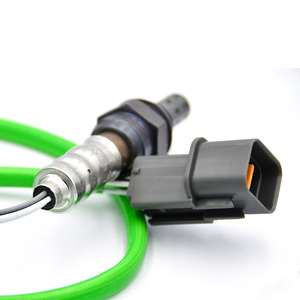
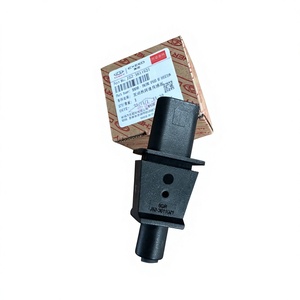
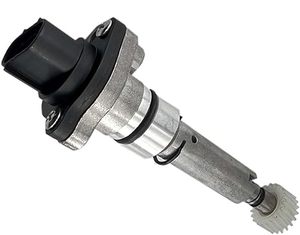
For instance, modern fleet management systems and traffic signal optimization platforms rely on granular vehicle-level data gathered by speed of rotation sensors, accelerator pedal position assemblies, and lambda oxygen sensors to calculate arterial emissions and dynamically retime signal phases using adaptive traffic software.
| Infrastructure Dimension | Legacy Traffic Post Systems | Next-Gen Smart Signal Posts (Electromega Standard) | Operational Gain |
|---|---|---|---|
| Structural Material | Standard Painted Carbon Steel | ASTM A572 Grade 50 High-Strength HDG Steel | +300% Corrosion Life Extension |
| Detection Interface | Single Inductive Pavement Loop | Hybrid Radar, Video Analytics & Magnetometer Node | 99.8% Classification Accuracy |
| Protocol Standards | Proprietary Closed Signal Logic | NTCIP 1202 / 1203 & Open ATC Architecture | Seamless Central ATMS Integration |
| Maintenance Workflow | Reactive On-Site Repairs | IoT Remote Diagnostics & Real-Time Conflict Monitoring | 85% Reduction in Field Dispatch |
| Environmental Resiliency | Basic Weatherproofing (-10°C to +40°C) | Extreme Climate Certification (-40°C to +85°C) | Zero Sub-Zero Failures |
With over five decades of engineering authority since 1974, our manufacturing facilities integrate full ISO 9001:2015 quality management procedures across every stage of fabrication, welding, finishing, and electrical integration. When sourcing from a verified manufacturer, global buyers benefit from:
Our dedicated team of civil, mechanical, and electrical engineers reviews site geometry, wind loading zones, and wiring schematics prior to production, delivering full submittal drawings for tender approval.
Every steel heat, galvanization batch, and sensor electronic assembly undergoes rigorous ultrasonic, magnetic particle, and electrical bench testing with mill test reports (MTR) provided upon shipment.
Signal post assemblies and associated traffic cabinets are integrated and function-tested prior to export, reducing field turn-on time and contractor labor costs by up to 60%.
The following technical solutions address common inquiries raised by municipal signal technicians, consulting engineers, contractors, and global procurement officers:
Our signal post structures, mast arms, and base assemblies are engineered to meet AASHTO Standard Specifications for Structural Supports for Highway Signs, Luminaires, and Traffic Signals (LTS), as well as NEMA TS-1 / TS-2 standards. Finishing complies with ASTM A123 / ISO 1461 hot-dip galvanization specifications. For electrical components, ITE photometric requirements and CSA standards are strictly met.
Yes. All controller hardware, communications switches, and sensor arrays mounted on our posts support open NTCIP (National Transportation Communications for ITS Protocol) 1202 and 1203 standards. This allows direct data transmission via optical fiber, cellular backhaul, or point-to-point wireless directly into your municipal control software without requiring software replacements.
Selection depends on specific site geometry, environmental conditions, and required data granularity. Inductive loops offer unmatched stop-bar presence detection; radar excels in adverse weather (snow, fog, extreme glare) for advance speed detection; video analytics provides vehicle classification and turning movement counts; magnetometers suit bridge decks where pavement saw-cutting is prohibited. Our application engineers conduct pre-bid evaluations to recommend an optimal hybrid layout.
Standard production signal posts are rated for basic wind speeds from 90 mph up to 150 mph (3-second gust) depending on project requirements. Fatigue design category I specifications can be applied for high-vibration corridor deployments using internal dampening mechanisms to prevent structural failure over long service periods.
Absolutely. Our technical sales team prepares complete engineering submittal packages—including detailed CAD structural drawings, wiring schematics, wind-load calculation sheets, bill of materials (BOM), and galvanization certificates required by consulting engineers and tender boards worldwide.
Speak directly with our senior application engineers to request detailed engineering drawings, custom OEM quotations, or comprehensive tender documentation.
Contact Us