ISO 9001 certified since 2003 Quebec · Ontario · British Columbia 1-800-363-7481

Engineered for high-volume traffic mitigation, heavy axle commercial truck loads, and severe climate resilience. Designed to reduce vehicle velocity while maintaining highway safety standard compliance.
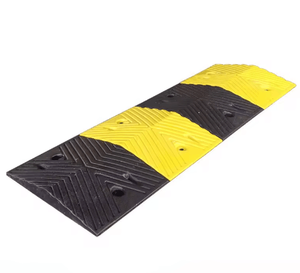
Designed specifically for freight terminals, logistics parks, and industrial complexes handling heavy commercial trucks. Engineered with high-tensile vulcanized rubber compound and high-impact polymer cores.
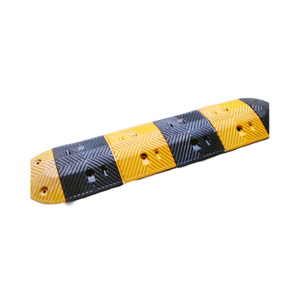
Optimized trapezoidal cross-section engineered to reduce vehicle speed to 5–10 mph without causing structural chassis damage. Features embedded retroreflective highway beads for enhanced nighttime visibility.
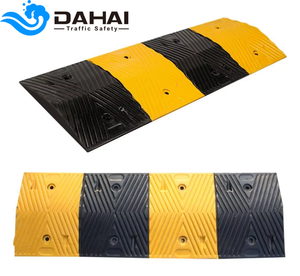
Flexible and portable speed humps fitted with modular interlocking connections. Ideal for temporary construction zones, emergency traffic detours, and multi-purpose event traffic control.
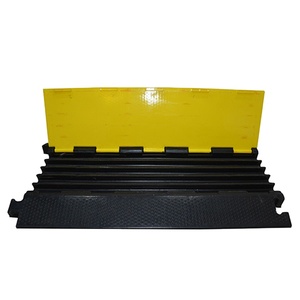
Dual-function traffic speed bump and heavy-duty utility cable protector featuring 2, 3, or 5 internal routing channels. Manufactured from reinforced PVC/rubber compound to safeguard hoses and wiring.
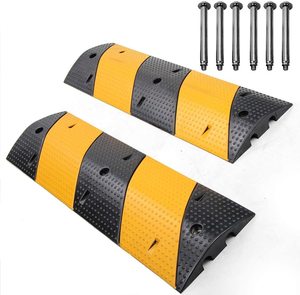
Heavy commercial load-tested modular bump constructed for asphalt and concrete installations. Includes pre-drilled recessed anchor mounting holes for secure multi-bolt concrete expansion installation.
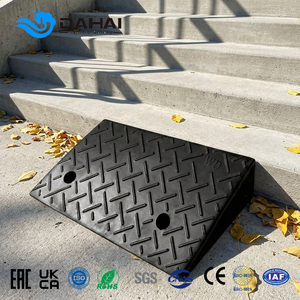
Engineered for seamless vehicle, wheelchair, and trolley crossing over elevated sidewalk curbs and gutter lines. Features deep anti-skid traction grooves and high shear strength polymer composition.

Low-profile 30mm plastic HDPE speed control bump rated for 1-5 mph target speeds. Highly resistant to chemical spills, road salts, oil runoff, and extreme winter freeze-thaw cycles.
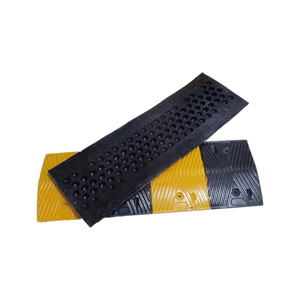
Designed for residential communities, commercial parking structures, and private driveways. Engineered for noise reduction and vibration dampening during continuous passenger vehicle passage.
Combining five decades of intelligent transportation systems (ITS) expertise with advanced elastomer compression molding technology to deliver certified traffic calming infrastructure.
Certified quality management since 2003 ensuring strict batch-to-batch polymer density consistency, tensile testing, and complete supply chain traceability for international tenders.
Elastomer compounds formulated to maintain mechanical elasticity and compression recovery across extreme temperature ranges from -40°C winter freezes to +80°C asphalt heat conditions.
Decades of field experience partnering with municipal transportation departments, civil contractors, and industrial facility managers to solve complex speed management challenges.
Technical Value Insight: Unlike basic recycled asphalt or poured concrete speed bumps which crack under thermal expansion and cause severe vehicle suspension wear, our vulcanized rubber speed bumps absorb kinetic impact forces. This shock-absorption capability reduces anchor shear stress by up to 65% and extends roadway hardware life.
A technical benchmark comparing vulcanized SBR rubber, High-Density Polyethylene (HDPE), and traditional asphalt/concrete traffic humps.
| Performance Specification | Vulcanized SBR Rubber | HDPE Molded Plastic | Asphalt / Cast Concrete |
|---|---|---|---|
| Tensile Strength (ASTM D412) | 12.5 to 15.0 MPa | 22.0 to 28.0 MPa | Brittle / Low Flexural |
| Shore A Hardness Rating | 75A - 85A (High Resilience) | 70D (Rigid Surface) | 90+ Shore D (Non-yielding) |
| Axle Load Capacity | Up to 22,000 lbs (10 Ton/Axle) | Up to 16,000 lbs (8 Ton/Axle) | Cracks under repeat heavy trucks |
| Retroreflective Compliance | Embedded Molded EPDM / Glass Beads | Reflective Surface Tape | Painted (Requires Annual Repainting) |
| Freeze-Thaw Durability (-40°C) | Excellent (Zero Cracking) | Good (May become brittle under -30°C) | Poor (High Spalling & Salt Degradation) |
| Installation Labor & Time | Modular / 30 Mins per Lane | Modular / 20 Mins per Lane | Heavy Machinery / Multi-Day Cure |
Key technological shifts driving global municipal and commercial traffic speed reducer sourcing over the next decade.
The convergence of modern Traffic Management Systems (ITS) and speed bumps is giving rise to smart traffic calming. Next-generation speed humps incorporate piezoelectric pressure sensors and IoT telemetry to monitor vehicle count, real-time speed compliance, and average axle weight metrics, directly communicating with municipal smart grid networks via NTCIP protocols.
Global government ESG mandates are pushing procurement departments toward sustainable infrastructure materials. Modern speed bump manufacturing now utilizes up to 85% post-consumer recycled tire polymer blends bound with high-performance polyurethane binders, reducing landfill waste while delivering superior tensile memory and ozone degradation resistance.
Urban density demands dual-purpose infrastructure. Modern facility developers increasingly select multi-channel cable protecting speed bumps that route electrical conduits, fiber optic networks, and water lines directly beneath traffic management pathways without requiring costly trenching or roadway destruction.
Visibility standards (ASTM D4956) are forcing manufacturers to transition from traditional surface yellow paint to molded micro-prismatic reflectors and embedded fluorescent polymer stripes. This ensures high visual contrast in severe fog, torrential rain, and unlit rural road conditions, significantly diminishing night-time pedestrian collision risks.
Comprehensive technical guidance addressing specification, installation anchoring, regulatory compliance, and OEM customization.
Speed Bumps are narrow (1 to 2 feet wide) and abrupt (3 to 4 inches high), designed to bring vehicle speeds down drastically to 2–5 mph, making them ideal for parking lots, driveways, and industrial loading zones. Speed Humps are wider (10 to 14 feet long) with a gradual slope, targeted at slowing traffic to 15–20 mph on residential collector streets. Speed Cushions feature wheel cut-outs that allow wide-wheelbase emergency vehicles (fire trucks, ambulances) to pass unimpeded while still forcing passenger cars to slow down.
For concrete substrates, heavy-duty mechanical expansion bolts or threaded masonry anchors (typically 1/2-inch diameter by 4-inch length) provide optimal shear strength. For asphalt roadways—which are more pliable and prone to crumble under point pressure—we specify asphalt spike anchors coated with epoxy resin or specialized lag bolts featuring expansion shields. This prevents anchor pull-out when subjected to dynamic braking stress from heavy commercial vehicles.
An optimal durometer hardness rating for heavy-duty rubber speed bumps ranges between 75 Shore A and 85 Shore A. This specific density range delivers the structural stiffness needed to support 20+ ton commercial truck axle loads while retaining sufficient flexural memory to cushion vehicle impacts, absorb kinetic energy, and resist cracking in sub-zero winter temperatures (-40°C).
Modular rubber speed bumps feature tapered end caps and sloped side profiles to prevent snowplow blade catching. In regions with aggressive snow removal, modular rubber units can be unbolted and temporarily stored during winter months. Alternatively, low-profile HDPE plastic bumps with recessed hardware channels are permanently installed to allow plow blades to glide smoothly over the surface without tearing out anchor bolts.
As a direct manufacturer, we offer comprehensive OEM customization including custom channel dimensions for utility cables, specific color matching (RAL code compliance), molded corporate branding logos, custom length configurations, and customized reflective tape layouts matching regional highway department specifications (such as MUTCD, ITE, or European EN standards).
Yes. Our rubber and polymer speed bumps are compounded with specialized anti-oxidants and anti-ozonants that resist cracking caused by ambient ozone exposure, engine oil drips, diesel fuel spills, hydraulic fluids, and heavy winter de-icing chemicals (calcium chloride and sodium chloride).
Modular cable protecting speed bumps utilize tongue-and-groove or dog-bone interlocking connector joints between individual sections. This interlocking structural matrix distributes localized point loads across adjacent modules, preventing individual section twisting or horizontal drift under high torque braking forces.
Under standard commercial parking lot or residential roadway traffic conditions, high-purity vulcanized rubber speed bumps deliver an operational lifespan of 5 to 8 years. In controlled indoor environment settings like parking structures, service lifespans regularly exceed 10+ years with minimal maintenance required.
Solid asphalt or concrete speed bumps create significant noise spikes (clatter and chassis vibration) when vehicle tires hit rigid vertical rises. Elastic vulcanized rubber absorbs tire compression shock, significantly dampening collision impact sound levels. Studies show rubber speed bumps reduce ambient traffic pass-by noise by up to 10–12 decibels compared to concrete humps.
Every bulk shipment includes a complete quality assurance submittal package containing ISO 9001 factory compliance certificates, raw material safety data sheets (MSDS), ASTM D412 tensile test reports, ASTM D2240 hardness verification certificates, dynamic load testing reports, and step-by-step civil installation blueprints for engineering approval.
Connect directly with our senior traffic safety engineering team for technical drawings, custom OEM inquiries, or container-load freight estimates.