ISO 9001 certified since 2003 Quebec · Ontario · British Columbia 1-800-363-7481

Engineered for seamless integration with adaptive traffic signal control algorithms, central NTCIP networks, and harsh Middle Eastern coastal and desert operating environments.
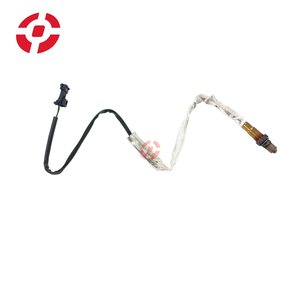
Heavy-duty fast-response sensor node designed for roadside emissions monitoring and transit fleet health integration in urban traffic corridors.
Get a Quote
IP68-rated corrosion-proof stainless steel deep-drawn housings tailored for housing delicate millimeter-wave radar and optical sensors in high-salinity coastal zones.
Get a Quote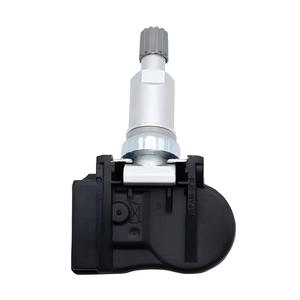
Heavy-vehicle telemetry sensor node enabling automated weight-in-motion (WIM) pre-sorting and municipal fleet safety auditing at traffic interchanges.
Get a Quote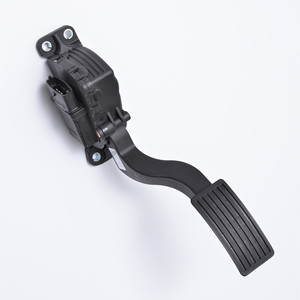
Industrial-grade position assembly engineered for municipal buses and emergency vehicles requiring reliable priority signal preemption triggering.
Get a Quote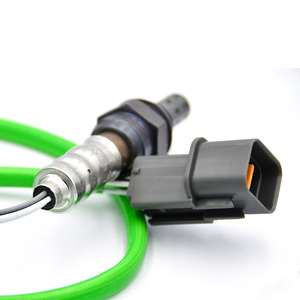
Real-time exhaust monitoring sensor facilitating dynamic adaptive green-wave routing for heavy commercial vehicles to reduce local urban carbon footprints.
Get a Quote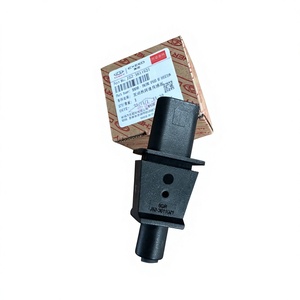
High-precision rotational and wheel-speed sensor architecture modified for specialized roadside vehicle speed verification and stop-line detection.
Get a Quote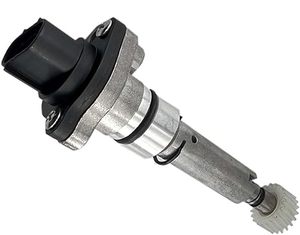
Wide-compatibility electromagnetic speed sensor providing ultra-reliable velocity feedback for dynamic speed message signs and adaptive signal controllers.
Get a Quote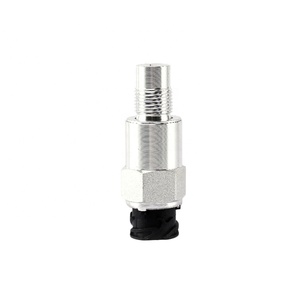
Ruggedized speed sensing module designed for municipal utility trucks and transit buses integrating with intelligent signal preemption hardware.
Get a QuoteAs urban density intensifies across the Tel Aviv Metropolitan Area (Gush Dan), Jerusalem, Haifa, and fast-expanding southern hubs such as Beer Sheva, traditional pre-timed traffic controller schedules are rapidly becoming obsolete. Modern Israeli transportation infrastructure demands an Adaptive Traffic Control Software (ATCS) platform capable of evaluating real-time vehicle arrivals, queue lengths, pedestrian actuation, transit priority (BRT and Light Rail Systems), and unexpected congestion spikes in milliseconds.
Our Adaptive Traffic Control System combines advanced algorithmic optimization—utilizing high-resolution actuation models alongside deep reinforcement learning—with ultra-rugged field control hardware. Manufactured and integrated under strict ISO 9001 quality management procedures, our controllers and central software stack comply natively with open communications protocols such as NTCIP 1202 v03 and NEMA TS-2 / ATC cabinet specifications. This guarantees seamless interoperability for Israeli municipal engineering authorities, consulting firms, and public transport operators.
Deploying adaptive signal intelligence tailored specifically to the unique geographical, climatic, and urban planning demands of Israel's distinct regions.
High-density urban grid management integrating real-time loop, radar, and video analytics to dynamically adjust cycle lengths and split times. Works in sync with the Dankal Light Rail corridors to mitigate bottleneck points along Ayalon Highway off-ramps.
Adaptive signal coordination optimized for steep topography and extreme traffic shifts during public holidays and Sabbath transitions. Incorporates automated timing pattern transitions without dropping communication or creating signal conflicts.
Heavy vehicle and container transport signal optimization. Utilizes advance vehicle detection sensors to extend green phases for heavy trucks, preventing hazardous emergency braking events on downhill grades leading to the port.
Israel is globally recognized as a powerhouse for automotive technology and Smart Mobility innovation. The Ministry of Transport and Road Safety (MOT), alongside regional highway authorities like Netivei Israel and Ayalon Highways, is rapidly advancing the digitalization of road networks. Key technological shifts defining procurement include:
Next-generation signal controllers are no longer isolated field nodes. Modern adaptive control software must interface directly with C-ITS roadside units (RSU) using standard protocols. This allows signal controllers to broadcast Green Light Optimal Speed Advisory (GLOSA) data to connected vehicles while receiving direct priority requests from emergency fleets and public buses.
Legacy systems rely on static time-of-day tables calculated from historical manual traffic counts. Israeli municipalities are rapidly transitioning to dynamic origin-destination (OD) estimation and edge AI video detection. Our software continuously recalculates optimal green splits based on live arrival rates, reducing arterial delay by 18% to 32%.
Modern traffic cabinets integrate inputs from multiple sensor topologies: inductive loops for presence detection, mmWave radar for long-range advance speed tracking, and AI vision cameras for queue length and turning movement counts (TMC). Our software normalizes these disparate inputs into a unified real-time vehicle flow matrix.
From complete traffic cabinet wiring to central management software abstraction, our engineering solutions are backed by rigorous quality standards and technical expertise.
Fully certified manufacturing and quality management system since 2003. Every traffic signal controller cabinet, conflict monitor, and sensor module undergoes rigorous pre-shipment bench testing and factory acceptance testing (FAT).
We prioritize open architecture standards (NTCIP, NEMA TS-2, ATC) over proprietary vendor lock-in. Our adaptive software connects seamlessly with existing legacy central systems, protecting municipal capital investments.
Eliminate site setup delays. We supply fully integrated cabinet assemblies—complete with UPS battery backup, bus preemption receivers, field Ethernet switches, and surge protection—customized to contractor submittal requirements.
Detailed answers regarding technical standards compliance, field installation, local climate adaptation, and system integration.
Contact our intelligent transportation system engineers today to request technical datasheets, CAD cabinet drawings, or a customized project quotation for municipal tenders.