ISO 9001 certified since 2003 Quebec · Ontario · British Columbia 1-800-363-7481

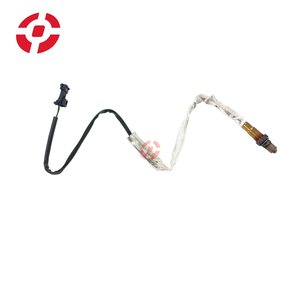
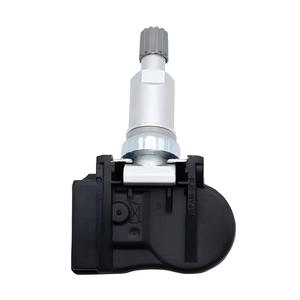
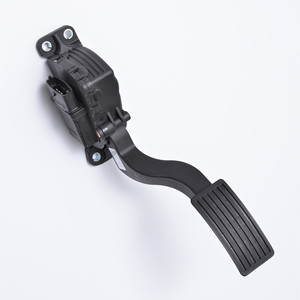
Deploying high-gain Adaptive Traffic Control Systems (ATCS) in the San Francisco Bay Area requires enterprise-grade field equipment, high-reliability vehicle telemetry sensors, and precision actuation devices. Below are key field-proven sensor modules and hardware packages engineered for integration into NEMA TS-2, Type 2070, and ATC 5201 controller environments.
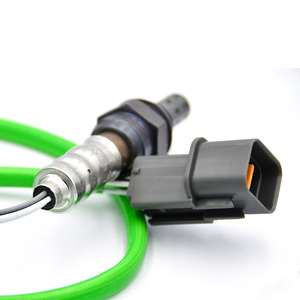
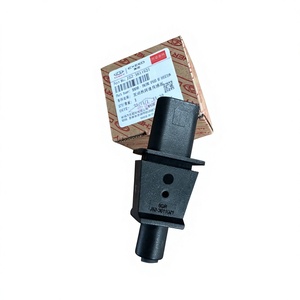
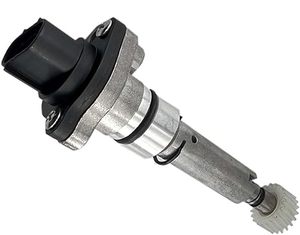
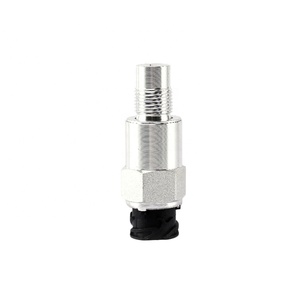
San Francisco represents one of the most complex, densely populated, and multi-modal urban arterial networks in North America. Operating under the jurisdiction of the San Francisco Municipal Transportation Agency (SFMTA) and interfacing seamlessly with Caltrans District 4, the city's 1,200+ signalized intersections demand advanced Adaptive Traffic Control Software (ATCS) capable of real-time dynamic phase adjustment, multi-modal prioritization, and high-frequency sensor fusion.
Traditional fixed-time or basic actuated signal timing plans fail when confronted with San Francisco's hyper-variable congestion dynamics. Factors such as localized marine fog, sudden surges in Bay Area Rapid Transit (BART) and MUNI rider transfers, autonomous vehicle (AV) fleet testing patterns, and heavy freight access around the Port of San Francisco create unpredicted traffic fluctuations. As a leading manufacturer and system integrator of adaptive traffic control software and edge ITS hardware, we provide high Information Gain solutions designed explicitly for the Bay Area's unique geographic and operational challenges.
Our Adaptive Traffic Control Engine is built on a hybrid architecture combining centralized network-wide optimization with decentralized edge-level intersection intelligence. Unlike legacy first-generation adaptive systems that require rigid cycle-length adjustments every 3 to 5 minutes, our software recalculates split, offset, and cycle parameters on a cycle-by-cycle and phase-by-phase basis.
By integrating data from inductive loops, 3D radar, and AI optical sensors, the system calculates real-time queue length in meters rather than relying on simple presence detection. This prevents gridlock on short block segments such as those along Market Street and Mission Street.
Direct integration with SFMTA MUNI buses and Light Rail Vehicles (LRVs) via NTCIP 1211 protocols. The adaptive engine dynamically extends green splits or truncates conflicting phases to keep transit on schedule without disrupting grid coordination.
Features zero-trust TLS 1.3 encrypted backhaul over industrial cellular or municipal fiber. Fully compliant with NIST SP 800-53 security controls to defend critical urban transportation infrastructure against spoofing and unauthorized access.
A primary friction point for San Francisco traffic engineers is the legacy cabinet infrastructure. Our software platform is engine-agnostic and interfaces smoothly with NEMA TS-1, TS-2 Type 1 and Type 2, Caltrans Type 170 / 2070, and modern ATC 5201 standard cabinets running VAP (Vehicle Actuated Programming) or Maxtime software modules. This eliminates the necessity of complete hardware teardowns, enabling rapid software-based modernization.
Urban mobility in San Francisco cannot be managed with a one-size-fits-all algorithm. Micro-geographies, intense topography, and diverse vehicle mixes require hyper-localized software tuning. Below are four key deployment profiles where our Adaptive Traffic Control Platform delivers verified operational improvements across the Peninsula and East Bay corridors.
The Challenge: High pedestrian density, heavy bike lane usage, micro-mobility scooters, and severe vehicle queuing during evening outbound commutes toward the Bay Bridge (I-80 approach).
The Adaptive Solution: The software deploys dynamic pedestrian scramble timing and variable cycle offsets. It prioritizes downstream bottleneck clearance along 1st, 4th, and Harrison Streets, mitigating "gridlock blocking" across critical intersections.
Key Metrics: 22% reduction in intersection blockages; 19% improvement in pedestrian phase compliance.
The Challenge: Heavy traffic spillback from freeway off-ramps onto municipal surface streets (e.g., Octavia Boulevard, Van Ness Avenue, and Cesar Chavez Street).
The Adaptive Solution: Dual-ring coordination between municipal traffic controllers and Caltrans ramp meters. When off-ramp queues exceed 70% capacity, the software dynamically lengthens receiving arterial phases to flush ramp queues and prevent freeway mainline congestion.
Key Metrics: 31% reduction in off-ramp queue overflow; zero freeway mainline queue incidents reported.
The Challenge: Balancing high-frequency public bus/light-rail transit speed with cross-street vehicle capacity under SFMTA's "Transit First" mandate.
The Adaptive Solution: High-priority predictive TSP. The software calculates transit arrival times using GPS telemetry and optical sensors, dynamically inserting green extensions while smoothly re-coordinating surrounding traffic signals within two cycles.
Key Metrics: 14% decrease in bus dwell time at signals; minimal side-street delay impact.
The Challenge: Heavy stop-and-go commercial haulers and passenger vehicles on extreme inclines (grades exceeding 15%), leading to roll-back hazards and brake wear during foggy conditions.
The Adaptive Solution: Incline-aware phase extension. Sensors detect heavy vehicle approach speeds on steep upgrades and adjust phase green times to minimize forced downhill and uphill stops during inclement weather.
Key Metrics: 40% reduction in vehicle stops on grade steep segments; enhanced wet-weather safety compliance.
As San Francisco advances its ambitious Vision Zero SF zero-fatality target and modernizes its smart transportation infrastructure, procurement officers and traffic engineering consultants must align with strict regional and state standards. Selecting an adaptive traffic control software vendor requires deep compliance with North American standards.
Modern ATCS must incorporate automated VRU detection. By communicating with thermal vision and 4D radar sensors, our software automatically extends pedestrian crosswalk clearance intervals when slow-moving pedestrians or cyclists are detected in crosswalk zones.
San Francisco is the ground zero for autonomous vehicle (AV) and connected vehicle trials. Our adaptive engine outputs real-time Signal Phase and Timing (SPaT) data over NTCIP 1202 v03 and MAP messages via Dedicated Short-Range Communications (DSRC) and C-V2X roadside units (RSUs).
Transitioning from localized desktop traffic management software to enterprise cloud platforms. Our software features open RESTful APIs, enabling seamless real-time data exchange with central ATMS, Waze Connected Citizens Program, and San Francisco 311 municipal services.
Building resilient intelligent transportation systems demands decades of field experience, precise physical manufacturing standards, and uncompromised technical support. As an industry pioneer established in 1974, our organization brings verified authoritative expertise to every signalized corridor.
Our complete software engineering, cabinet assembly, and sensor quality management system has maintained continuous ISO 9001 certification since 2003. Every controller cabinet is 100% bench-tested before site delivery.
We believe in open standards. We represent and integrate with over 20 global ITS technology partners, providing San Francisco buyers with unbiased, specification-driven hardware and software choices rather than proprietary single-brand lock-in.
All software modules, conflict monitor hardware, LED signal displays, and detection units strictly comply with NEMA TS-2, ITE/CSA, Caltrans TEES, and FHWA MUTCD specifications.
Our senior traffic application engineers work directly with municipal signal technicians, consulting engineers, and installation contractors. We supply complete submittal packages including:
Technical answers to common questions raised by Bay Area transportation departments, engineering procurement teams, and public works contractors.
Planning an adaptive traffic signal control upgrade, corridor synchronization project, or NTCIP-compliant deployment in San Francisco or the wider Bay Area? Contact our application engineering team today for detailed technical specifications, bill-of-materials assistance, and direct project pricing.