ISO 9001 certified since 2003 Quebec · Ontario · British Columbia 1-800-363-7481

Field-proven OEM/ODM hardware assemblies engineered for high-speed vehicle capture, harsh ambient lighting, and full compliance with Australian traffic systems.
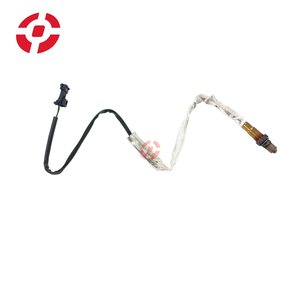
Precision OEM sensor array tailored for automated vehicle detection triggering and environmental compliance monitoring in heavy-duty setups.
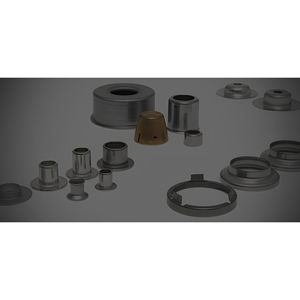
Ruggedized stainless-steel housing modules engineered for Outback dust defense, high impact (IK10), and extreme solar radiation resilience.
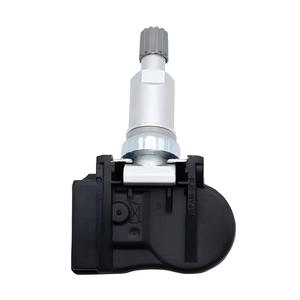
Integrated vehicle identification and axle-level telemetry sensor modules used alongside weighbridge LPR systems for NHVR compliance.
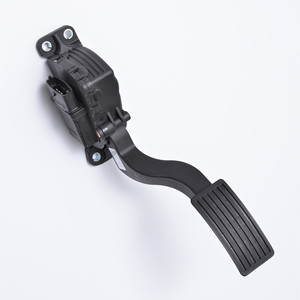
Fast-response 5V signal trigger module designed to interface radar velocity sensors with high-speed ANPR camera shutter systems.
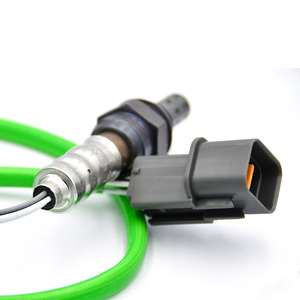
Multi-spectral optical sensor built for rapid plate detection under glaring sunlight and intense retro-reflective plate conditions across VIC & NSW.
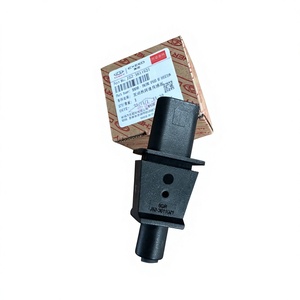
Precision feedback rotation sensor for high-speed PTZ tracking LPR cameras deployed in multi-lane tolling and highway oversight gantries.
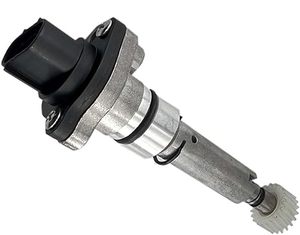
Compact Doppler-radar sensor interface delivering real-time vehicle speed data directly into edge AI LPR cameras for instant violation logging.
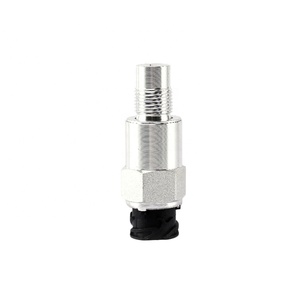
Universal industrial-grade sensor for mining haul road checkpoints and port gate automation, ensuring zero missed plate captures.
Benchmarked against reflective Australian state plates under direct sunlight and torrential rain.
Ultra-fast global shutter sensors built for highway tolling and enforcement corridors.
Extreme weather sealing engineered for Western Australia Outback dust and coastal humidity.
Strict OEM production guidelines, batch traceability, and full pre-shipment bench testing.
The Australian intelligent transportation systems (ITS) and parking enforcement market presents a unique set of operating conditions for Automatic License Plate Recognition (ALPR / ANPR) technology. Stretching across disparate environments—from the extreme heat and UV exposure of regional Queensland and the Pilbara mining corridors to the dense multi-lane urban tollways of Sydney, Melbourne, and Brisbane—system integrators and municipal councils demand ANPR hardware manufactured to uncompromising physical and optical standards.
Technical Insight for Australian Procurement Teams: Unlike standardized European or North American plate recognition hardware, ANPR cameras deployed in Australia must dynamically process highly customized state registration formats, varying plate sizing (standard, slimline, customized color plates), and heavy vehicle trailer identification tags while compensating for intense retro-reflective glare driven by extreme solar incidence angles.
Australia’s six states and two internal territories utilize distinct registration plate aesthetics, reflective coatings, and character typologies. For instance, Transport for NSW (TfNSW) and VicRoads incorporate specialized anti-counterfeiting reflective films that can create optical blooming under standard infrared (IR) illuminators. Advanced ANPR camera factories serving Australia integrate multi-wavelength IR LED arrays (850nm and 940nm stealth IR) synchronized with ultra-fast pulsed global shutter sensors operating up to 1/10,000th of a second.
By coupling hardware-level Wide Dynamic Range (WDR > 140dB) with localized edge-AI Optical Character Recognition (OCR) engines trained specifically on Australian alphanumeric fonts (including customized vanity plates and diamond-symbol commercial tags), leading manufacturers eliminate phantom characters caused by plate mounting screws, tow-bars, or intense direct afternoon solar exposure.
Operating thermal thresholds represent a primary failure point for imported consumer-grade vision hardware. Australian highway networks—such as the Bruce Highway, Stuart Highway, and Pacific Highway—require 24/7 continuous operation where ambient internal camera temperatures can exceed +65°C inside metal sunshields. Manufacturers targeting Australian B2B buyers must implement heavy-duty die-cast aluminum or deep-drawn stainless steel enclosures featuring dual-layer thermal dissipation fins, active heat-pipe cooling, and anti-reflective toughened optical glass glass coatings.
| Parameter | Standard Commercial IP Cameras | Industrial Factory-Grade Australian ANPR Camera |
|---|---|---|
| Image Sensor | Rolling Shutter (Produces motion blur) | Industrial Global Shutter CMOS (Zero spatial distortion up to 250km/h) |
| Operating Temperature | -10°C to +45°C | -40°C to +75°C (Extreme Outback & Solar Radiation Tested) |
| Plate Recognition Accuracy | 82% - 88% under daytime glare | 99.4%+ (Deep-learning ONVIF edge processing for AU plate formats) |
| Ingress & Impact Rating | IP65 / IK08 Plastic Housing | IP68 / IK10 Marine-Grade Anodized Aluminum Enclosure |
| Protocol Interoperability | Proprietary RTSP / Cloud only | NTCIP 1202/1203, ONVIF Profile S/G/T, RESTful APIs, Wiegand output |
In high-throughput application scenarios such as automated barrier arm control for off-street parking facilities in Melbourne CBD or heavy vehicle mass enforcement managed under National Heavy Vehicle Regulator (NHVR) guidelines, processing latency must remain under 150 milliseconds. Modern OEM manufacturing focuses on integrating high-performance Neural Processing Units (NPUs) directly inside the camera housing. This allows deep-learning vehicle classification (Make, Model, Color, Plate Type) and OCR extraction to occur natively on the edge device, transmitting lightweight metadata JSON packages over cellular 4G/5G networks back to central management platforms without clogging bandwidth on remote Outback corridors.
Tailored hardware configurations meeting localized operational demands across Australian municipalities, tollways, ports, and mining sectors.
Integrated into municipal car parks across Sydney, North Sydney, and City of Parramatta. Cameras provide instant ticketless entry, automated overstay detection, and integration with local payment apps via cloud APIs.
Deployed on major freight corridors (Hume Highway, Pacific Motorway) syncing with National Heavy Vehicle Regulator (NHVR) databases to audit B-Double and Road Train registration status and average travel speeds.
Specially engineered housing with extreme dust sealing (IP68) deployed at mine gate checkpoints in Western Australia (Pilbara) and Queensland (Bowen Basin) for automated contractor access verification.
Gantry-mounted multi-camera arrays providing zero-miss capture across multi-lane free-flow traffic on Transurban toll networks in Melbourne (CityLink) and Brisbane (Gateway Motorway).
Dual-lens OCR camera setups positioned at Port Botany and Port of Melbourne intermodal terminals to capture vehicle front plates and shipping container numbers concurrently.
Key technological shifts shaping procurement requirements for Australian system integrators and government bodies.
With vast geographical distances between regional Australian townships, infrastructure projects increasingly demand ultra-low-power ANPR camera systems (consuming < 8W). Coupled with solar panel arrays and 4G/5G IoT modems, these autonomous stations enable state road authorities to conduct continuous traffic counting, origin-destination profiling, and registration audits along remote highways without costly grid power extensions.
As electric vehicle adoption expands across Sydney, Melbourne, and Perth, municipal councils and private charge-point operators (CPOs) are installing dedicated dual-lens LPR units to monitor charging bays. Cameras track vehicle arrival, verify whether charging is actively taking place, and communicate with parking management platforms to auto-issue overstay warnings for non-EV or non-charging vehicles blocking infrastructure.
Australian capital cities are retiring legacy, isolated parking systems in favor of unified Smart City dashboards. Procurement specifications now mandate compliance with NTCIP 1202/1203 protocols and open REST APIs, ensuring that newly installed LPR hardware seamlessly streams occupancy metadata, speed statistics, and incident alerts directly into municipal urban traffic management systems.
Australia’s high solar ultraviolet index causes severe visual washout on standard cameras. Next-generation factories are embedding polarized multi-spectral optical sensors alongside deep learning neural networks. This combination isolates retro-reflective registration characters even under direct low-angle sunlight, achieving greater than 99% accuracy where conventional vision systems fail.
Delivering engineering excellence, custom housing fabrication, and certified quality management for international distributors and Australian integrators.
Fully audited production lines ensuring rigorous component selection, batch-level optical calibration, and complete serial traceability on every camera shipped.
Cameras, illuminators, power supplies, and surge protection devices are integrated and pre-tested in factory cabinets to cut on-site commissioning time by 60%.
Support for standard ONVIF profiles, MQTT, Wiegand, and custom REST API push scripts ensures immediate compatibility with third-party PARCS and ATMS platforms.
We provide complete tender-ready documentation including CAD dimensional drawings, photometric validation curves, MTBF statistics, and wiring schematics.
Essential technical and commercial answers for project engineers, municipal consultants, and security system integrators.
Planning a parking enforcement project, high-speed highway gantry deployment, or mining access network in Australia? Connect directly with our engineering team for customized quotes, optical calculations, and submittal packages.